Soortspecifieke nauwkeurigheid
Illustraties die zijn gebaseerd op anatomische referenties, wetenschappelijk bronmateriaal en soortspecifieke structuren.
Duidelijkheid over de complexe anatomie van dieren
Afbeeldingen die zijn ontworpen om de gelaagde anatomie, orgaansystemen, structuren van het bewegingsapparaat en functionele verbanden te verduidelijken.
Gestructureerde visuele communicatie
Een overzichtelijke werkwijze, van referentiemateriaal en onderzoek tot de uiteindelijke beelden voor onderwijs, publicaties of diergeneeskundig gebruik.
Illustratiediensten op het gebied van dierlijke anatomie
Illustraties van dierlijke anatomie zetten complexe anatomische informatie om in duidelijke, nauwkeurige visuele communicatie voor onderzoek, onderwijs, diergeneeskunde en wetenschappelijke publicaties. Of het nu gaat om een zoogdier, een vogel, een vis, een reptiel of een vergelijkende anatomische structuur, het doel is altijd hetzelfde: biologische complexiteit begrijpelijk maken zonder afbreuk te doen aan de wetenschappelijke nauwkeurigheid.
Foto’s, scans en referentiemateriaal kunnen waardevolle informatie opleveren, maar geven zelden een volkomen duidelijk beeld van de structuur. De anatomie van dieren omvat vaak gelaagde weefsels, subtiele verhoudingen, soortspecifieke variaties en onderlinge verbanden die moeilijk uit te leggen zijn aan de hand van ruwe beelden alleen. Illustraties verduidelijken, ordenen en presenteren deze structuren op een doelgerichte manier.
Ik ben Karin Spijker, een gediplomeerd wetenschappelijk en medisch illustrator met een gedegen achtergrond in anatomie, tekenen en biologische visualisatie. Ik maak op maat gemaakte illustraties van de anatomie van dieren voor educatief materiaal, wetenschappelijke publicaties, communicatie in de diergeneeskunde en op onderzoek gebaseerde visuele projecten.
Gerelateerde pagina's:
→ anatomische illustraties
→ illustraties voor de diergeneeskunde
→ wetenschappelijke illustraties
→ portfolio
"Ik werk al jaren samen met Karin Spijker aan verschillende visuele projecten. De grootste gemene deler in deze projecten is een kwalitatief, professioneel beeld dat op tijd geleverd wordt. Karin is op beide vlakken helemaal thuis, of het nu gaat om een illustratie of high-end beeldbewerking op fotomateriaal."
 Pauline Speelman, Signorita
"Karin Spijker heeft meerdere keren naar volle tevredenheid opdrachten voor mij uitgevoerd, zoals logo's en twee 3D animaties. Karin kan de informatie uit een briefing vertalen naar het gewenste eindproduct en kan prettig meedenken. Daarbij werkt ze nauwkeurig, houdt zich aan de gestelde planning en komt haar afspraken na. Karin is ook een charmant persoon om mee samen te werken."
 Natasja Kardos, Seahorse Solutions
"Voor mijn klanten heb ik Karin Spijker vaker gevraagd voor maatwerkopdrachten, met name voor meer specialistische beeldbewerking. Karin kan software als Adobe Photoshop en Illustrator tevoorschijn toveren. Ze is heel secuur en communiceert ook over de voortgang. Ik kan Karin, haar werk en haar prettige samenwerking van harte aanbevelen."
 Marian de Jong, Piri Piri Marketing en Communicatie
Dierlijke anatomie vertalen naar visuele duidelijkheid
Bij een illustratie van de dierlijke anatomie gaat het niet alleen om het tekenen van dieren. Het gaat erom anatomische kennis om te zetten in betrouwbare visuele informatie. In het diergeneeskundig onderwijs, de zoölogie, de vergelijkende anatomie en de communicatie op het gebied van de levenswetenschappen heeft visuele duidelijkheid een directe invloed op de manier waarop informatie wordt begrepen en toegepast.
Een goed uitgewerkte anatomische illustratie van een dier kan belangrijke structuren benadrukken, overbodige visuele ruis weglaten en de kijker de aandacht laten richten op de relaties die het belangrijkst zijn. Dit is met name van groot belang bij het uitleggen van de inwendige anatomie, het bewegingsapparaat, de structuur van organen, de relaties tussen bloedvaten of soortspecifieke anatomische verschillen.
In tegenstelling tot algemene kunstwerken met dieren als onderwerp, draait het bij wetenschappelijke anatomische illustraties van dieren om nauwkeurigheid, structuur en communicatie. De visuele stijl kan variëren van strakke lijntekeningen tot gedetailleerde digitale weergaven of 3D-visualisaties, maar de basis blijft hetzelfde: de anatomie moet correct en duidelijk zijn en aansluiten bij het doel van het project.
Waarvoor wordt een anatomische illustratie van een dier gebruikt?
- diergeneeskundig onderwijs en opleiding
- zoölogisch en biologisch onderzoek
- onderzoek naar vergelijkende anatomie
- wetenschappelijke publicaties en studieboeken
- onderwijsplatforms en museumcommunicatie
- communicatie met dierenpatiënten of klanten
Wetenschappelijke nauwkeurigheid bij verschillende soorten
Bij de anatomie van dieren moet zorgvuldig rekening worden gehouden met de soortspecifieke structuur. Een hond, paard, kat, vogel of vis kan niet worden voorgesteld als een algemeen dierenlichaam met slechts enkele kleine aanpassingen. Elke soort heeft zijn eigen verhoudingen, skeletaopbouw, spierstructuur, plaatsing van de organen en functionele anatomie.
Hier komt de op maat gemaakte illustratie om de hoek kijken. Een professionele illustratie van de anatomie van dieren kan worden ontwikkeld op basis van anatomische naslagwerken, wetenschappelijke literatuur, veterinair bronmateriaal, onderzoek naar preparaten, beeldvorming of de inbreng van deskundigen. De uiteindelijke afbeelding is geen decoratieve interpretatie, maar een gestructureerde visuele uitleg die is gebaseerd op de biologische realiteit van het onderwerp.
Deze mate van nauwkeurigheid is vooral belangrijk in de vergelijkende anatomie, waar verschillen tussen soorten centraal staan in de boodschap. Het is ook essentieel in de diergeneeskunde en het onderwijs, waar onduidelijke of onnauwkeurige afbeeldingen tot misverstanden kunnen leiden.
→ illustratie van vergelijkende anatomie
→ illustratie op het gebied van diergeneeskunde
Werkproces: van referentiemateriaal tot definitieve illustratie
Het maken van een hoogwaardige illustratie van de dierlijke anatomie vereist een gestructureerd en transparant proces. Elk project begint met het communicatiedoel: wat moet er begrepen worden, wie is de doelgroep en waar zal de uiteindelijke afbeelding worden gebruikt?
Vervolgens worden relevante bronnen bestudeerd. Hierbij kan het gaan om anatomische literatuur, veterinaire bronnen, foto’s, schetsen, beeldmateriaal, wetenschappelijke artikelen of advies van deskundigen. In de conceptfase worden de visuele hiërarchie, de compositie en het detailniveau vastgesteld, voordat de definitieve illustratie wordt uitgewerkt.
- briefing en omschrijving van de reikwijdte
- onderzoek en literatuuronderzoek
- conceptschetsen en visuele planning
- ontwikkeling en verfijning van illustraties
- definitieve aanlevering voor publicatie, presentatie of digitaal gebruik
Een transparante workflow die is ontworpen met het oog op nauwkeurigheid, duidelijkheid en efficiënte samenwerking.

Van complexe biologische informatie tot heldere afbeeldingen
Veel projecten op het gebied van dierlijke anatomie gaan uit van een specifieke communicatieve uitdaging. Een onderzoeker moet bijvoorbeeld een structureel verschil tussen soorten uitleggen. Een uitgever heeft wellicht een duidelijke anatomische afbeelding nodig voor een leerboek. Een docent diergeneeskunde heeft misschien een illustratie nodig die de anatomie op zo’n manier uitlegt dat studenten deze snel kunnen begrijpen.
Illustraties maken dit mogelijk door gebruik te maken van een visuele hiërarchie. In plaats van alles in één keer weer te geven, richten ze de aandacht op de structuren en verbanden die het meest relevant zijn voor het communicatiedoel. Dit kan onder meer betekenen dat achtergronddetails worden vereenvoudigd, overlappende structuren van elkaar worden gescheiden, diepte wordt verduidelijkt of meerdere verwijzingen worden samengevoegd tot één samenhangend beeld.
Een sterke illustratie van de dierlijke anatomie kan een ‘geïdealiseerde’ weergave van een structuur tonen en tegelijkertijd wetenschappelijk nauwkeurig blijven. Dit is met name van groot belang wanneer foto’s te veel ruis vertonen, te specifiek zijn of de interne opbouw niet duidelijk weergeven.
Op maat gemaakte illustraties van dierlijke anatomie versus stockbeelden en door AI gegenereerde afbeeldingen
- soortspecifieke anatomische nauwkeurigheid
- volledige controle over structuur, details en accenten
- consistentie in grotere publicaties of lesmateriaal
- duidelijkere licentie- en gebruiksvoorwaarden
- de mogelijkheid om op basis van feedback van deskundigen aanpassingen en verbeteringen aan te brengen
Over Karin Spijker
Ik ben Karin Spijker, wetenschappelijk en medisch illustrator met een achtergrond in tekenen, schilderen en textielontwerp. Met een masterdiploma in wetenschappelijke illustratie en aanvullende vaardigheden op het gebied van 3D-productie combineer ik nauwkeurigheid, artisticiteit en het vertellen van verhalen. Mijn werk helpt teams in de gezondheidszorg en de uitgeverswereld om complexe ideeën duidelijk en betrouwbaar over te brengen.
Naast projecten in opdracht maak ik ook onafhankelijke kunstwerken die geïnspireerd zijn door de natuur, anatomie en landschappen. Mijn missie is om wetenschap en natuur toegankelijk, inspirerend en visueel aantrekkelijk te maken.

Waarom zou je samenwerken met een illustrator die gespecialiseerd is in de anatomie van proefdieren?
Voor het maken van een anatomische illustratie van een dier is meer nodig dan alleen tekenvaardigheid. Het vereist kennis van anatomie, wetenschappelijke interpretatie, visuele discipline en het vermogen om complexe structuren op een heldere manier weer te geven.
In mijn werk combineer ik mijn achtergrond in medische en wetenschappelijke illustratie met traditionele tekenvaardigheden, digitale technieken en een interesse in dierlijke anatomie, de natuur en biologische vormen. Hierdoor kan ik beelden creëren die zowel wetenschappelijk onderbouwd als visueel helder zijn.
Bij de ontwikkeling van projecten staat de nadruk op nauwkeurigheid, samenwerking en gebruiksvriendelijkheid. Of de uiteindelijke illustratie nu bestemd is voor het onderwijs, onderzoek, de uitgeverij, de diergeneeskundige communicatie of een breder wetenschappelijk publiek, het doel is altijd om werk te creëren dat het begrip bevordert en met vertrouwen kan worden gebruikt.
Illustratie van de anatomie van dieren voor onderwijsdoeleinden
Onderwijs is een van de belangrijkste toepassingen van illustraties van de dierlijke anatomie. Studenten en leerlingen hebben vaak moeite met structuren die verborgen zijn, in lagen liggen of moeilijk te interpreteren zijn aan de hand van echte preparaten of foto’s. Illustraties kunnen de cognitieve belasting verminderen door informatie te ordenen in duidelijke, overzichtelijke afbeeldingen.
Voor veterinaire opleidingen, biologieopleidingen, onlinecursussen en educatieve uitgeverijen kunnen illustraties van de dierlijke anatomie helpen bij het uitleggen van het bewegingsapparaat, orgaansystemen, vergelijkende anatomie en functionele verbanden. Ze kunnen bovendien worden aangepast aan verschillende leerniveaus, van inleidend onderwijs tot geavanceerd academisch materiaal.
Hierdoor vormen illustraties van de anatomie van dieren een blijvende aanwinst. Een goed gemaakte afbeelding kan worden hergebruikt in colleges, hand-outs, studieboeken, presentaties, e-learningmodules en digitale platforms.
Gerelateerde pagina's:
→ wetenschappelijke illustratie
→ wetenschappelijke natuurschets
Communicatie op veterinair en klinisch gebied
In de diergeneeskunde kunnen duidelijke anatomische afbeeldingen zowel de beroepsopleiding als de communicatie met eigenaren van dieren ondersteunen. Complexe aandoeningen, ingrepen, verwondingen of anatomische uitleg zijn soms moeilijk te begrijpen op basis van alleen woorden of diagnostische beelden.
Illustraties van de anatomie van dieren kunnen helpen om structuren te verduidelijken, chirurgische of klinische concepten uit te leggen en de voorlichting aan patiënten in de diergeneeskunde te ondersteunen. De toon en het detailniveau kunnen worden aangepast, afhankelijk van of de doelgroep bestaat uit een diergeneeskundig specialist, een student, een uitgever of een eigenaar van een huisdier.
Dit is vooral handig wanneer het niet de bedoeling is om de kijker te overweldigen, maar om op een rustige, duidelijke manier uit te leggen wat er anatomisch gezien gebeurt.
Gerelateerde pagina:
→ illustraties op het gebied van de diergeneeskunde
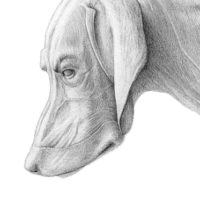


Specifieke aandachtsgebieden binnen de dierlijke anatomie
- anatomie van zoogdieren
- anatomie van de hond
- anatomie van katten
- paardenanatomie
- vogelanatomie
- visanatomie
- vergelijkende anatomie
- diergeneeskundige anatomie
Inzicht in de prijsstelling van illustraties van de anatomie van dieren
Elk project is maatwerk en hangt af van de omvang, de complexiteit en het beoogde gebruik. Als u een duidelijk overzicht wilt van hoe de prijsstelling is opgebouwd, inclusief gangbare prijsbereiken en licentievoorwaarden, kunt u de prijspagina raadplegen.
De langetermijnwaarde van op maat gemaakte illustraties van de anatomie van dieren
Een sterke illustratie van de anatomie van een dier is niet slechts een eenmalig decoratief element. Het kan onderdeel worden van een groter educatief of wetenschappelijk communicatiesysteem. Dezelfde visuele aanpak kan worden toegepast in publicaties, presentaties, leerplatforms, posters, digitale inhoud en toekomstig projectmateriaal.
Op maat gemaakte illustraties zorgen bovendien voor consistentie. Wanneer er meerdere afbeeldingen worden gemaakt voor dezelfde publicatie, soortengroep of educatieve cursus, kunnen de stijl, de aanduidingen, de hiërarchie en de anatomische interpretatie gedurende het hele project op elkaar worden afgestemd.
Dit maakt een op maat gemaakte illustratie van de anatomie van dieren tot een strategische investering in duidelijkheid, betrouwbaarheid en professionele communicatie.
Veelgestelde vragen
Hier vindt u antwoorden op veelgestelde vragen over het illustratieproces, tijdschema’s, prijzen, licenties, bestandslevering en samenwerking.
Begin met je illustratieproject over dierlijke anatomie
Als u op zoek bent naar een illustrator van dierlijke anatomie voor onderzoek, onderwijs, communicatie in de diergeneeskunde of publicaties, moet de nadruk altijd liggen op duidelijkheid, nauwkeurigheid en bruikbaarheid.
Of uw project nu gaat om één anatomische afbeelding, een reeks educatieve illustraties of een breder wetenschappelijk communicatieproject: ik kan u helpen om complexe dierlijke anatomie om te zetten in duidelijke, betrouwbare en professioneel uitgewerkte illustraties.
→ Bekijk gerelateerd anatomisch werk in het portfolio
→ Neem contact op om uw project te bespreken
Complexe dierlijke anatomie vertalen naar duidelijke visuele communicatie
Werk rechtstreeks samen met een gespecialiseerde medische illustrator
voor nauwkeurige, publicatieklare afbeeldingen die zijn afgestemd op uw vakgebied.
Klaar om samen te werken aan een medisch illustratieproject?
Duidelijk, nauwkeurig en afgestemd op uw medische inhoud