Klinische nauwkeurigheid
Ontwikkeld op basis van geverifieerde anatomische en chirurgische bronnen, in overeenstemming met de huidige klinische normen en procedures.
Duidelijkheid bij chirurgische ingrepen
Complexe chirurgische handelingen en anatomische verbanden worden weergegeven in duidelijke, stapsgewijze afbeeldingen die het begrip en de besluitvorming ondersteunen.
Betrouwbare werkstroom
Een gestructureerd werkproces van briefing tot definitieve oplevering, inclusief validatie van schetsen, beoordeling door deskundigen en publicatieklare bestanden.
Illustraties van chirurgische ingrepen die inzicht geven in complexe anatomie en technieken
In de chirurgie draait alles om precisie. Hetzelfde geldt voor medische communicatie. Of u nu chirurgen in opleiding begeleidt, een peer-reviewed artikel publiceert of educatief materiaal ontwikkelt: duidelijkheid is bepalend voor het begrip en uiteindelijk voor de veiligheid. Als gecertificeerd medisch illustrator ben ik gespecialiseerd in chirurgische illustraties, waarbij ik complexe anatomie en operatietechnieken vertaal naar duidelijke, nauwkeurige en leerzame afbeeldingen.
Waar fotografie vaak tekortschiet vanwege bloed, beperkt zicht of visuele overbelasting, richt een illustratie van een chirurgische ingreep de aandacht op wat er werkelijk toe doet. Door visuele ruis weg te filteren en de anatomie selectief weer te geven, creëer ik beelden die het leerproces, de communicatie en de besluitvorming binnen verschillende medische disciplines ondersteunen.
"Ik werk al jaren samen met Karin Spijker aan verschillende visuele projecten. De grootste gemene deler in deze projecten is een kwalitatief, professioneel beeld dat op tijd geleverd wordt. Karin is op beide vlakken helemaal thuis, of het nu gaat om een illustratie of high-end beeldbewerking op fotomateriaal."
 Pauline Speelman, Signorita
"Karin Spijker heeft meerdere keren naar volle tevredenheid opdrachten voor mij uitgevoerd, zoals logo's en twee 3D animaties. Karin kan de informatie uit een briefing vertalen naar het gewenste eindproduct en kan prettig meedenken. Daarbij werkt ze nauwkeurig, houdt zich aan de gestelde planning en komt haar afspraken na. Karin is ook een charmant persoon om mee samen te werken."
 Natasja Kardos, Seahorse Solutions
"Voor mijn klanten heb ik Karin Spijker vaker gevraagd voor maatwerkopdrachten, met name voor meer specialistische beeldbewerking. Karin kan software als Adobe Photoshop en Illustrator tevoorschijn toveren. Ze is heel secuur en communiceert ook over de voortgang. Ik kan Karin, haar werk en haar prettige samenwerking van harte aanbevelen."
 Marian de Jong, Piri Piri Marketing en Communicatie
Chirurgische illustraties voor de medische praktijk en het onderwijs
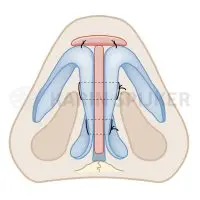
Duidelijke visualisaties van chirurgische ingrepen, ontworpen om elke stap nauwkeurig weer te geven ten behoeve van onderwijs, opleiding en klinische documentatie.

Gerichte anatomische illustraties die de nadruk leggen op relevante structuren, ruimtelijke verhoudingen en chirurgische oriëntatiepunten die essentieel zijn voor het plannen en begrijpen van ingrepen.

Beeldmateriaal dat de communicatie tussen zorgverleners en patiënten ondersteunt en helpt om ingrepen, aandoeningen en behandelingsopties duidelijk uit te leggen.
Gespecialiseerde diensten op het gebied van chirurgische illustraties
Ik lever gespecialiseerde medische illustratiediensten voor uitgevers, zorginstellingen en onderzoeksinstellingen. Bekijk de onderstaande rubrieken voor meer informatie over specifieke illustratietoepassingen.
Ontdek de kracht van medisch-chirurgische illustraties.
Waarom zijn illustraties van chirurgische ingrepen zo belangrijk in de geneeskunde?
Een chirurgische ingreep is geen statische gebeurtenis; het is een reeks nauwkeurig gecoördineerde handelingen binnen een gelaagde anatomie. Tekst alleen kan ruimtelijke verhoudingen, diepte of de logica van de ingreep niet adequaat weergeven. Illustraties van chirurgische ingrepen maken deze verhoudingen direct zichtbaar.
In tegenstelling tot algemene afbeeldingen of stockmateriaal zijn mijn illustraties met een duidelijk doel ontworpen. Elke afbeelding geeft antwoord op een specifieke vraag:
- Waar zit de incisie precies?
- Welke anatomische structuren lopen risico?
- Hoe leidt de ene stap logischerwijs tot de volgende?
Daarom zijn illustraties van chirurgische ingrepen onmisbaar voor:
- medisch onderwijs en opleiding
- wetenschappelijke publicaties en studieboeken
- conferentiepresentaties
- chirurgische planning en documentatie
Door de blik van de kijker te sturen, wordt de illustratie eerder een educatief hulpmiddel dan een decoratieve afbeelding.
Achter elke illustratie schuilt een duidelijk, gestructureerd proces
Een transparante workflow zorgt ervoor dat complexe medische en wetenschappelijke inhoud wordt omgezet in nauwkeurige, heldere en publicatieklare afbeeldingen, vanaf de eerste briefing en het onderzoek tot en met de verfijning en de uiteindelijke oplevering.

Chirurgische illustraties voor medisch onderwijs
Het onderwijzen van chirurgie vereist absolute duidelijkheid. Studenten en coassistenten moeten anatomie niet alleen begrijpen als afzonderlijke structuren, maar ook als functionele systemen die in een driedimensionale ruimte op elkaar inwerken. Chirurgische illustraties voor het medisch onderwijs kunnen deze complexiteit vereenvoudigen zonder aan nauwkeurigheid in te boeten.
Door middel van technieken zoals:
- gelaagde anatomie
- dwarsdoorsneden
- selectieve transparantie („ghosting“)
- kleurcodering van bloedvaten, zenuwen en weefselvlakken
Ik maak illustraties die laten zien wat het oog in de operatiekamer niet kan waarnemen. Deze afbeeldingen worden op grote schaal gebruikt in universitaire studieprogramma’s, e-learningmodules, chirurgische atlassen en opleidingsmateriaal voor specialisten, waarbij nauwkeurigheid van essentieel belang is.
Over Karin Spijker
Ik ben Karin Spijker, een wetenschappelijk en medisch illustrator die gespecialiseerd is in het weergeven van complexe anatomische en chirurgische procedures in duidelijke, nauwkeurige afbeeldingen.
Met een achtergrond in tekenen, schilderen en textielontwerp, en een masterdiploma in wetenschappelijke illustratie, combineer ik sterke visuele vaardigheden met een grondige kennis van anatomie. Mijn aanvullende ervaring op het gebied van 3D-productie draagt bij aan de ontwikkeling van gestructureerde en nauwkeurige medische beelden.
Ik werk samen met zorgprofessionals, uitgevers en bureaus om illustraties te maken die een bijdrage leveren aan onderwijs, klinische communicatie en publicaties. Bij elk project staan nauwkeurigheid, duidelijkheid en betrouwbaarheid centraal.

Chirurgische illustraties ondersteunen de klinische praktijk en de communicatie
Illustratie van een chirurgische ingreep: stap voor stap duidelijk uitgelegd
Een belangrijk voordeel van een illustratie van een chirurgische ingreep is dat hiermee de opeenvolging van stappen duidelijk kan worden uitgelegd. Fotografie legt momenten vast; een illustratie legt het proces uit.
Voor elke procedure bepaal ik:
- het meest informatieve standpunt
- welke lagen zichtbaar of verborgen moeten zijn
- hoe beweging en ontwikkeling in een statisch beeld kunnen worden gesuggereerd
Dit resulteert in stapsgewijze illustraties van chirurgische ingrepen die het volgende ondersteunen:
- techniekvergelijking
- reproduceerbaarheid
- educatieve waarde op de lange termijn
Voor tijdschriften en uitgevers zorgt deze duidelijkheid ervoor dat lezers de tekst beter begrijpen en dat de impact van de publicatie toeneemt.
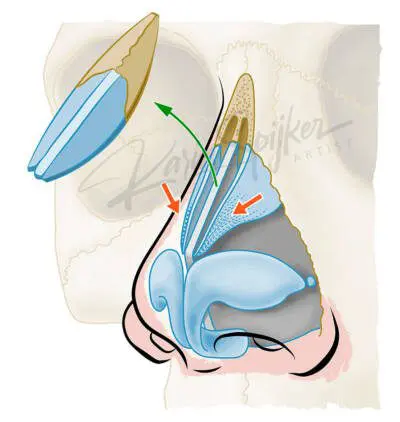
Van planning tot resultaat: het volledige chirurgische traject in beeld brengen
Een operatie begint al lang vóór de eerste incisie en gaat nog lang door na het hechten. Daarom spelen chirurgische illustraties een cruciale rol bij het in beeld brengen van:
- preoperatieve anatomie en pathologie
- intraoperatieve techniek
- postoperatief resultaat
Aan de hand van illustraties van vóór en na de operatie kunnen chirurgen, opleiders en patiënten niet alleen begrijpen wat er is gedaan, maar ook waarom dit is gedaan. In situaties waarin de patiënt direct betrokken is, bieden illustraties duidelijkheid zonder het confronterende karakter van operatiefotografie, wat bijdraagt aan geïnformeerde toestemming en realistische verwachtingen.
Illustraties van chirurgische procedures
Illustraties van chirurgische ingrepen vereisen nauwkeurige details om elke stap duidelijk en nauwkeurig weer te geven. Mijn illustraties bieden visuele duidelijkheid ter ondersteuning van medische professionals, docenten en patiënten, waarbij cruciale handelingen, instrumenten en anatomische structuren worden benadrukt.
Door zorgvuldig onderzoek en aandacht voor nauwkeurigheid creëer ik visuals die het begrip vergroten en geschikt zijn voor chirurgische handleidingen, trainingsmateriaal en bronnen voor patiëntenvoorlichting.
Prijzen, licenties en het in opdracht geven van chirurgische illustraties
Elke chirurgische illustratie wordt op maat gemaakt. De prijs is afhankelijk van:
- de complexiteit van de procedure
- mate van anatomische gedetailleerdheid
- aantal afbeeldingen
- beoogd gebruik (onderwijs, publicatie, marketing)
De licentievoorwaarden zijn altijd duidelijk omschreven, met de volgende opties:
- exclusief gebruik
- wetenschappelijke publicatie
- hergebruik van onderwijsmateriaal op de lange termijn
Voordat de productie van start gaat, ontvangt u duidelijke voorwaarden en een offerte op maat.
Inzicht in de prijsstelling van medische illustraties
Elk project is maatwerk en hangt af van de omvang, de complexiteit en het beoogde gebruik. Als u een duidelijk overzicht wilt van hoe de prijsstelling is opgebouwd, inclusief gangbare prijsbereiken en licentievoorwaarden, kunt u de prijspagina raadplegen.
Een selectie van chirurgische illustraties
Een selectie van medische illustraties die zijn gemaakt voor wetenschappelijke publicaties, het onderwijs en communicatie in de gezondheidszorg.


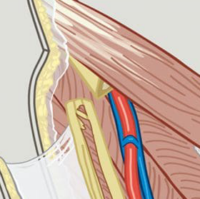
De strategische waarde van chirurgische illustraties voor planning en innovatie
In complexe gevallen fungeert een chirurgische illustratie als een visuele blauwdruk. Aan de hand van CT- en MRI-beelden of operatieverslagen zet ik de gegevens om in duidelijke visuele schema’s die het volgende ondersteunen:
- communicatie binnen het operatieteam
- risicobeoordeling
- ontwikkeling van instrumenten of implantaten
In tegenstelling tot algemene 3D-modellen zijn deze illustraties specifiek voor bepaalde gevallen en gericht op bepaalde technieken. Ze zijn ontworpen om te worden gebruikt, niet alleen om te worden bekeken.
Wie maakt nauwkeurige chirurgische illustraties voor medische publicaties en het onderwijs?
Dit is een veelgestelde en belangrijke vraag:
Wie maakt nauwkeurige chirurgische illustraties voor medische publicaties en het onderwijs?
Nauwkeurige chirurgische illustraties worden gemaakt door professioneel opgeleide en gecertificeerde medische illustratoren met een geavanceerde opleiding op het gebied van zowel anatomie als visuele communicatie. Deze dubbele expertise is van essentieel belang. Zonder een grondig begrip van anatomie, pathologie en chirurgische logica zijn visuele fouten onvermijdelijk.
Bij Karin Spijker zijn chirurgische illustraties:
- anatomisch gevalideerd
- op basis van medische literatuur en klinische inzichten
- waar nodig ontwikkeld in nauwe samenwerking met specialisten
Een dergelijke mate van nauwkeurigheid is vereist voor toonaangevende tijdschriften, geaccrediteerd onderwijs, medisch-juridische contexten en geavanceerde opleidingsomgevingen.
Illustraties versus fotografie versus door AI gegenereerde afbeeldingen
Hoewel fotografie en AI-tools op grote schaal beschikbaar zijn, ontbreekt het hen aan de doelgerichte duidelijkheid die bij chirurgische ingrepen vereist is.
- Fotografie laat alles zien, ook wat afleidt of verwarring zaait.
- AI-beelden missen anatomisch inzicht en bevatten vaak subtiele maar cruciale fouten.
- Chirurgische illustraties zijn selectief, verhelderend en medisch onderbouwd.
Bij communicatie in de chirurgie is nauwkeurigheid geen luxe, maar een absolute noodzaak.
Veelgestelde vragen
Hier vindt u antwoorden op veelgestelde vragen over het illustratieproces, tijdschema’s, prijzen, licenties, bestandslevering en samenwerking.
Duidelijke beelden voor complexe operaties
Hoogwaardige illustraties van chirurgische ingrepen bevorderen het begrip, verminderen onduidelijkheden en verhogen de professionele kwaliteit van de medische communicatie.
Of je nu onderzoek publiceert, chirurgie doceert of complexe ingrepen plant: een nauwkeurige visualisatie maakt het verschil.
Heb je interesse in een samenwerking?
Duidelijk, nauwkeurig en afgestemd op uw medische inhoud