Nauwkeurigheid gericht op oncologie
Illustraties die zijn ontwikkeld op basis van gevalideerde oncologische bronnen, beeldmateriaal en klinisch bronmateriaal.
Duidelijkheid in complexe communicatie over kanker
Gestructureerde afbeeldingen die zijn ontworpen om ziekteverloop, tumorbiologie en behandelingsprocessen te verduidelijken.
Visualisatie die klaar is voor publicatie
Medische afbeeldingen die zijn gemaakt voor oncologisch onderzoek, onderwijs, farmaceutische communicatie en klinisch gebruik.
Medische illustratie op het gebied van oncologie
Als je in de oncologie werkt – of dat nu in het onderzoek, de klinische praktijk, de uitgeverij of de farmaceutische sector is – weet je één ding al zeker: duidelijkheid is geen luxe.
Kankergerelateerde processen behoren tot de meest complexe in de geneeskunde. Tumorbiologie, immuuntherapie, moleculaire routes en chirurgische ingrepen spelen zich allemaal af op meerdere abstractieniveaus.
Juist hier speelt medische illustratie op het gebied van oncologie een cruciale rol.
Een goed ontworpen visuele weergave ‘toont’ niet alleen informatie, maar geeft er ook structuur aan. Ze filtert overbodige elementen weg, stuurt de aandacht en maakt complexe zaken begrijpelijk.
Mijn naam is Karin Spijker. Als gespecialiseerd medisch illustrator werk ik samen met onderzoekers, zorgprofessionals en bedrijven in de life sciences om complexe oncologische gegevens om te zetten in duidelijke, wetenschappelijk onderbouwde visualisaties.
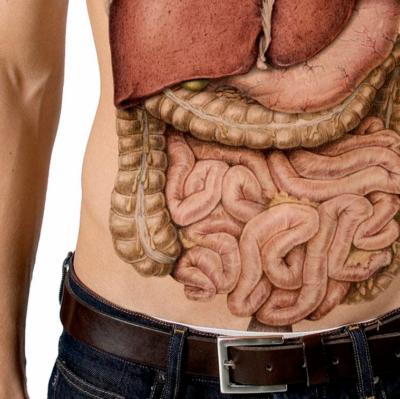
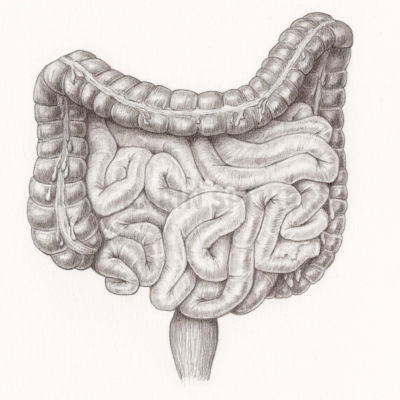
Of je je nu richt op borstkanker, dikke darmkanker of darmkanker, het doel is altijd hetzelfde:
om beeldmateriaal te creëren dat nauwkeurig en bruikbaar is en voldoet aan de hoogste professionele normen.
Gerelateerd:
→ chirurgische illustratie
→ illustratie voor patiëntenvoorlichting
→ medische animatie
"Ik werk al jaren samen met Karin Spijker aan verschillende visuele projecten. De grootste gemene deler in deze projecten is een kwalitatief, professioneel beeld dat op tijd geleverd wordt. Karin is op beide vlakken helemaal thuis, of het nu gaat om een illustratie of high-end beeldbewerking op fotomateriaal."
 Pauline Speelman, Signorita
"Karin Spijker heeft meerdere keren naar volle tevredenheid opdrachten voor mij uitgevoerd, zoals logo's en twee 3D animaties. Karin kan de informatie uit een briefing vertalen naar het gewenste eindproduct en kan prettig meedenken. Daarbij werkt ze nauwkeurig, houdt zich aan de gestelde planning en komt haar afspraken na. Karin is ook een charmant persoon om mee samen te werken."
 Natasja Kardos, Seahorse Solutions
"Voor mijn klanten heb ik Karin Spijker vaker gevraagd voor maatwerkopdrachten, met name voor meer specialistische beeldbewerking. Karin kan software als Adobe Photoshop en Illustrator tevoorschijn toveren. Ze is heel secuur en communiceert ook over de voortgang. Ik kan Karin, haar werk en haar prettige samenwerking van harte aanbevelen."
 Marian de Jong, Piri Piri Marketing en Communicatie
Wat medische illustraties in de oncologie eigenlijk doen
Bij medische illustraties op het gebied van de oncologie gaat het niet alleen om het weergeven van organen of tumoren. De belangrijkste rol ervan is om uiterst complexe biologische en klinische informatie om te zetten in duidelijke visuele communicatie die in onderzoeks-, onderwijs-, farmaceutische en klinische omgevingen efficiënter kan worden begrepen.
Kankerprocessen spelen zich vaak tegelijkertijd op meerdere niveaus af. De biologie van tumoren omvat interacties tussen celgedrag, moleculaire signaaloverdracht, immuunrespons, vascularisatie, metastase en de effecten van behandelingen. Ruwe medische gegevens, zoals pathologierapporten, beeldvormingsonderzoeken, moleculaire diagrammen of onderzoeksgrafieken, kunnen al snel visueel overweldigend worden, zelfs voor een professioneel publiek.
Medische illustraties maken gebruik van structuur, hiërarchie en selectieve nadruk. In plaats van alle beschikbare informatie in één keer weer te geven, richten ze zich op de verbanden en mechanismen die het belangrijkst zijn voor het communicatiedoel.
In de oncologie worden illustraties vaak gebruikt om het volgende te verduidelijken:
- hoe tumoren ontstaan en in wisselwerking staan met het omliggende weefsel
- de rol van de tumor-micro-omgeving (TME)
- uitzaaiing via het vaatstelsel of het lymfestelsel
- immunotherapie en gerichte behandelingstrajecten
- moleculaire en cellulaire mechanismen die een rol spelen bij de progressie van kanker
- chirurgische benaderingen en behandelingsstrategieën
Dit niveau van visuele verduidelijking is met name van grote waarde bij het overbrengen van zeer abstracte concepten, zoals immuunreacties, receptorinteracties, signaalroutes of werkingsmechanismen (MoA) van nieuwe therapieën.
Voor onderzoekers en farmaceutische communicatie helpen oncologische illustraties om complexe wetenschappelijke informatie om te zetten in gestructureerde communicatie die het begrip, presentaties, publicaties en interdisciplinaire samenwerking bevordert. In klinische en patiëntgerichte contexten kunnen illustraties bovendien verwarring verminderen en het begrip vergroten tijdens gesprekken over diagnoses, ingrepen of behandelingsopties.
Een sterke medische illustratie op het gebied van oncologie vereenvoudigt de wetenschap zelf niet. Ze zet de complexiteit om in beelden die duidelijker, toegankelijker en gemakkelijker te interpreteren zijn.
Zie ook:
→ biomedische illustraties
→ wetenschappelijke animaties en visualisaties
→ anatomische illustraties
Waarom precisie in de oncologie absoluut noodzakelijk is
- misverstanden in het klinisch onderwijs
- onjuiste interpretatie van onderzoek
- verminderde geloofwaardigheid van publicaties
maximale wetenschappelijke nauwkeurigheid + beheerste visuele helderheid
- publicaties in toonaangevende tijdschriften
- klinische besluitvorming
- communicatie met patiënten onder emotionele druk
Waar illustraties op het gebied van oncologie echt indruk maken
In de praktijk worden oncologische afbeeldingen in tal van situaties met grote belangen gebruikt.
In het onderzoek dragen ze bij aan het versterken van publicaties, met name grafische samenvattingen en complexe figuren.
In de farmaceutische sector wordt uitgelegd hoe de werkingsmechanismen (MoA) van therapieën zoals immuuntherapie, CAR-T of gerichte behandelingen in hun werk gaan.
In klinische omgevingen ondersteunen ze de chirurgische planning en helpen ze om ingrepen duidelijk uit te leggen.
En in de communicatie met patiënten verminderen ze onzekerheid door abstracte processen concreet te maken.
Zie ook: → medische illustratiediensten
Werkstroom: gestructureerd, efficiënt en transparant
- Intake en afbakening van de opdracht
- Onderzoek en validatie
- Concept- en schetsfase
- Feedback en verfijning
- Eindproductie
- Levering in de gewenste formaten
Een transparante workflow die is ontworpen met het oog op nauwkeurigheid, duidelijkheid en efficiënte samenwerking.

Soorten oncologische illustraties die ik ontwikkel
Visualisatie op het gebied van de oncologie voorziet in een breed scala aan medische en wetenschappelijke communicatiebehoeften, afhankelijk van de context – of het nu gaat om klinische, educatieve of onderzoeksdoeleinden. Sommige projecten zijn gericht op het verduidelijken van de anatomie, terwijl andere betrekking hebben op zeer abstracte biologische mechanismen die op cellulair of moleculair niveau plaatsvinden.
In de wetenschappelijke en farmaceutische communicatie worden medische illustraties op het gebied van oncologie vaak gebruikt om tumortrajecten, moleculaire interacties en werkingsmechanismen (MoA) van gerichte therapieën, immuuntherapie of benaderingen op basis van precisiegeneeskunde te visualiseren. Deze afbeeldingen helpen bij het vertalen van zeer gespecialiseerde wetenschappelijke informatie naar gestructureerde communicatie die beter begrijpelijk is voor onderzoekers, clinici, investeerders en zorgprofessionals.
In de chirurgische oncologie en bij klinische communicatie kunnen illustraties duidelijkheid verschaffen over de locatie van een tumor, de operatietechnieken, de resectiemarges of de behandelingstrajecten. Dit is met name van groot belang bij het toelichten van complexe ingrepen of multidisciplinaire behandelingsstrategieën.
Medische illustraties op het gebied van oncologie worden ook op grote schaal gebruikt bij de communicatie met en voorlichting aan patiënten. Kankerdiagnoses en behandelingsprocessen kunnen emotioneel overweldigend zijn, vooral wanneer er sprake is van begrippen als anatomie, uitzaaiingen, immuuntherapie of behandelingseffecten die moeilijk alleen aan de hand van tekst te visualiseren zijn. Gestructureerde medische illustraties kunnen het begrip bevorderen en tegelijkertijd onnodige verwarring en visuele overbelasting verminderen.
Afhankelijk van het project kunnen de visuele elementen het volgende omvatten:
- anatomische en histologische weergave
- communicatie via moleculaire en cellulaire routes
- visualisatie van immuuntherapie en gerichte behandeling
- chirurgisch-oncologische ingrepen
- patiëntenvoorlichting en illustratieve afbeeldingen
- wetenschappelijke afbeeldingen en diagrammen die klaar zijn voor publicatie
Elk project wordt afgestemd op de communicatiedoelstelling, de doelgroep en de wetenschappelijke complexiteit ervan.
Over Karin Spijker
Ik ben Karin Spijker, wetenschappelijk en medisch illustrator met een achtergrond in tekenen, schilderen en textielontwerp. Met een masterdiploma in wetenschappelijke illustratie en aanvullende vaardigheden op het gebied van 3D-productie combineer ik nauwkeurigheid, artisticiteit en het vertellen van verhalen. Mijn werk helpt teams in de gezondheidszorg en de uitgeverswereld om complexe ideeën duidelijk en betrouwbaar over te brengen.
Mijn werk richt zich op het vertalen van complexe oncologische en biomedische informatie naar gestructureerde visuele communicatie voor onderzoek, onderwijs en klinisch gebruik.
Naast projecten in opdracht maak ik ook onafhankelijke kunstwerken die geïnspireerd zijn door de natuur, anatomie en landschappen. Mijn missie is om wetenschap en natuur toegankelijk, inspirerend en visueel aantrekkelijk te maken.

Waarom klanten ervoor kiezen om met mij samen te werken
Klanten in de oncologie zijn doorgaans op zoek naar meer dan alleen een visuele uitvoering.
Ze hebben een partner nodig die zowel verstand heeft van wetenschap als van communicatie.
- medisch onderbouwde besluitvorming
- een duidelijke visuele hiërarchie en overzichtelijkheid
- het vermogen om complexe gegevens om te zetten in gestructureerde grafische weergaven
- efficiënte samenwerking met onderzoekers en clinici
Vergelijking: illustraties op maat versus stockbeelden
Als je in de oncologie werkt, heeft de keuze van de visuele aanpak direct invloed op de kwaliteit en de geloofwaardigheid van je werk.
Dit is het praktische verschil:
|
Criteria
|
Op maat gemaakte illustratie over oncologie (Karin Spijker)
|
Stockfoto’s / Sjabloonafbeeldingen
|
|---|---|---|
|
Wetenschappelijke nauwkeurigheid
|
Op basis van uw gegevens, literatuur en input van deskundigen
|
Algemeen, vaak niet helemaal juist
|
|
Relevantie
|
Op maat gemaakt voor uw specifieke geval of onderzoek
|
Past zelden in jouw specifieke context
|
|
Visuele helderheid
|
Een gestructureerde hiërarchie en een gerichte aanpak
|
Vaak rommelig of visueel saai
|
|
Samenwerking
|
Direct 1-op-1 met een specialist
|
Geen ondersteuning op inhoudsniveau
|
|
Gebruiksrechten
|
Duidelijke, flexibele licentievoorwaarden voor professioneel gebruik
|
Vaak beperkt of onduidelijk
|


Inzicht in de prijsstelling van medische illustraties op het gebied van oncologie
Elk project is maatwerk en hangt af van de omvang, de complexiteit en het beoogde gebruik. Als u een duidelijk overzicht wilt van hoe de prijsstelling is opgebouwd, inclusief gangbare prijsbereiken en licentievoorwaarden, kunt u de prijspagina raadplegen.
Veelgestelde vragen
Hier vindt u antwoorden op veelgestelde vragen over het illustratieproces, tijdschema’s, prijzen, licenties, bestandslevering en samenwerking.
Conclusie
In de oncologie is communicatie vereist die net zo nauwkeurig is als de wetenschap zelf.
Een sterke medische illustratie op het gebied van oncologie slaat een brug tussen complexe gegevens en daadwerkelijk begrip. Het versterkt publicaties, ondersteunt klinische beslissingen en verbetert de communicatie op alle niveaus.
Als u werkt aan een project over borstkanker, dikke-darmkanker of darmkanker en op zoek bent naar beeldmateriaal dat zowel nauwkeurig als effectief is, neem dan contact op met
Neem contact met ons op om uw project te bespreken of een offerte op maat aan te vragen.
Je kunt ook het portfolio bekijken om te zien hoe complexe medische inhoud wordt omgezet in duidelijke, betrouwbare afbeeldingen.
Complexe oncologische informatie omzetten in duidelijke visuele communicatie
Werk rechtstreeks samen met een gespecialiseerde medische illustrator
voor nauwkeurige, publicatieklare afbeeldingen die zijn afgestemd op uw vakgebied.
Klaar om samen te werken aan een medisch illustratieproject?
Duidelijk, nauwkeurig en afgestemd op uw medische inhoud