Op waarnemingen gebaseerde biologische nauwkeurigheid
Illustraties die zijn gebaseerd op biologische structuur, morfologie en wetenschappelijke waarnemingen.
Duidelijkheid in biologische systemen
Complexe biologische onderwerpen worden omgezet in heldere visuele communicatie voor onderwijs en publicaties.
Gestructureerde, op onderzoek gebaseerde werkwijze
Van analyse en schetsen tot het definitieve ontwerp: elke fase is afgestemd op wetenschappelijke nauwkeurigheid en visuele duidelijkheid.
Professionele diensten op het gebied van biologische illustraties
Een biologische illustratie is niet zomaar een tekening. Het is de nauwkeurige visuele vertaling van complexe biologische informatie naar heldere, gestructureerde en wetenschappelijk betrouwbare beelden.
In onderzoek, onderwijs en publicaties schieten tekst en fotografie vaak tekort. Microscopische beelden kunnen fragmentarisch zijn of veel ruis vertonen, terwijl schriftelijke uitleg vaak niet direct genoeg is. Een goed uitgewerkte biologische illustratie overbrugt die kloof door de essentie te isoleren en deze doelgericht weer te geven.
Daarom zijn organisaties die op zoek zijn naar diensten op het gebied van biologische illustraties of die een biologisch illustrator willen inhuren, niet op zoek naar versiering. Ze zijn op zoek naar duidelijkheid, nauwkeurigheid en controle over hoe hun wetenschap wordt begrepen.
Zie ook → wetenschappelijke illustratie
"Ik werk al jaren samen met Karin Spijker aan verschillende visuele projecten. De grootste gemene deler in deze projecten is een kwalitatief, professioneel beeld dat op tijd geleverd wordt. Karin is op beide vlakken helemaal thuis, of het nu gaat om een illustratie of high-end beeldbewerking op fotomateriaal."
 Pauline Speelman, Signorita
"Karin Spijker heeft meerdere keren naar volle tevredenheid opdrachten voor mij uitgevoerd, zoals logo's en twee 3D animaties. Karin kan de informatie uit een briefing vertalen naar het gewenste eindproduct en kan prettig meedenken. Daarbij werkt ze nauwkeurig, houdt zich aan de gestelde planning en komt haar afspraken na. Karin is ook een charmant persoon om mee samen te werken."
 Natasja Kardos, Seahorse Solutions
"Voor mijn klanten heb ik Karin Spijker vaker gevraagd voor maatwerkopdrachten, met name voor meer specialistische beeldbewerking. Karin kan software als Adobe Photoshop en Illustrator tevoorschijn toveren. Ze is heel secuur en communiceert ook over de voortgang. Ik kan Karin, haar werk en haar prettige samenwerking van harte aanbevelen."
 Marian de Jong, Piri Piri Marketing en Communicatie
Wat is biologische illustratie, en waarin onderscheidt deze zich?
Biologische illustratie bevindt zich op het snijvlak van wetenschap en visuele communicatie. In tegenstelling tot algemene illustratie of artistieke interpretatie is deze vorm van illustratie gebaseerd op feitelijke nauwkeurigheid en functionele duidelijkheid.
Waar fotografie alles vastlegt, maakt illustratie een selectie.
Waar tekst uitlegt, laat illustratie zien.
Het verschil zit hem in de bedoeling. Een biologische illustratie is bedoeld om specifieke informatie zonder dubbelzinnigheid over te brengen. Dat betekent:
- de anatomische vormen moeten correct zijn
- de verhoudingen moeten kloppen
- de visuele hiërarchie moet bewust worden gekozen
Elke beslissing draagt bij aan het begrip. Niets is louter decoratief zonder doel.
Complexiteit omzetten in visuele duidelijkheid
De meeste klanten hebben een duidelijke, dringende behoefte: complexe biologische structuren, processen of bevindingen op een manier overbrengen die direct begrijpelijk is.
In de praktijk gaat het hierbij vaak om materiaal dat in onbewerkte vorm moeilijk te interpreteren is. Denk bijvoorbeeld aan:
- uitgebreide onderzoeksgegevens
- microscopische waarnemingen
- meerlagige biologische processen
Een biologische illustratie vertaalt deze complexiteit naar een visuele structuur die in één oogopslag te begrijpen is. Ze verwijdert overbodige elementen zonder de betekenis aan te tasten. Ze stuurt de aandacht van de kijker en zorgt ervoor dat de kernboodschap onmiddellijk duidelijk is.
Dit is met name van cruciaal belang in wetenschappelijke omgevingen, waar een verkeerde interpretatie geen optie is.
Over Karin Spijker
Ik ben Karin Spijker, wetenschappelijk en medisch illustrator met een achtergrond in tekenen, schilderen en textielontwerp. Met een masterdiploma in wetenschappelijke illustratie en aanvullende vaardigheden op het gebied van 3D-productie combineer ik nauwkeurigheid, artisticiteit en het vertellen van verhalen. Mijn werk helpt teams in de gezondheidszorg en de uitgeverswereld om complexe ideeën duidelijk en betrouwbaar over te brengen.
Naast projecten in opdracht maak ik ook onafhankelijke kunstwerken die geïnspireerd zijn door de natuur, anatomie en landschappen. Mijn missie is om wetenschap en natuur toegankelijk, inspirerend en visueel aantrekkelijk te maken.

Waarom biologische illustraties op maat in plaats van stockafbeeldingen of AI?
De afgelopen jaren zijn op sjablonen gebaseerde tools en door AI gegenereerde afbeeldingen steeds gangbaarder geworden. Hoewel ze nuttig zijn voor intern gebruik of voorbereidend werk, voldoen ze zelden aan de normen die vereist zijn voor publicatie of communicatie op hoog niveau.
Gestandaardiseerde grafische voorstellingen hebben van nature hun beperkingen. Ze zijn gebaseerd op reeds bestaande elementen, waardoor ze nieuwe of zeer specifieke onderzoeksresultaten niet volledig kunnen weergeven. Belangrijker nog is dat ze vaak geen direct verband hebben met de onderliggende wetenschap.
Een op maat gemaakte biologische illustratie daarentegen wordt op basis van uw materiaal samengesteld. Deze ontstaat door middel van analyse, interpretatie en samenwerking. Dit leidt tot een afbeelding die niet alleen nauwkeurig is, maar ook perfect aansluit bij uw onderzoek.
|
Functie
|
Medische illustraties op maat (Karin Spijker)
|
Stockfoto’s / AI-tools
|
|---|---|---|
|
Wetenschappelijke nauwkeurigheid
|
100% geverifieerd en gebaseerd op professionele expertise
|
Vaak algemeen, verouderd of feitelijk onjuist
|
|
Uniekheid
|
100% geverifieerd en gebaseerd op professionele expertise
|
Vaak algemeen, verouderd of feitelijk onjuist
|
|
Didactische focus
|
Speciaal ontworpen om uw boodschap duidelijk over te brengen
|
Algemene afbeeldingen, die vaak geen duidelijk educatief doel hebben
|
|
Flexibiliteit
|
Volledig aanpasbaar gedurende het hele ontwerpproces
|
Geen of zeer beperkte aanpassingsmogelijkheden
|
|
Visuele consistentie
|
Een consistente visuele stijl in alle materialen
|
Een mix van stijlen uit verschillende bronnen
|
In de wetenschappelijke publicatiesector heeft dit verschil een meetbare invloed. Uit onderzoek is gebleken dat goed ontworpen visuele samenvattingen de zichtbaarheid vergroten, het begrip bevorderen en de betrokkenheid bij het onderzoek versterken.
Toepassingen in onderzoek, onderwijs en biologische communicatie
De rol van biologische illustraties varieert naargelang de context, maar het onderliggende principe blijft hetzelfde: duidelijkheid door nauwkeurigheid.
In de wetenschappelijke publicatiesector moeten illustraties aan strenge eisen voldoen. Ze moeten technisch nauwkeurig en visueel consistent zijn, en volledig in overeenstemming zijn met de richtlijnen van het tijdschrift. Zelfs kleine onnauwkeurigheden kunnen leiden tot afwijzing.
In het onderwijs ligt de nadruk iets meer op didactische duidelijkheid. Hier moeten illustraties het begrip stap voor stap begeleiden, waarbij complexe processen vaak worden vereenvoudigd zonder dat essentiële informatie verloren gaat.
In de wetenschapscommunicatie en de levenswetenschappen worden afbeeldingen gebruikt om concepten kort en effectief uit te leggen. Of het nu gaat om een presentatie, een subsidieaanvraag of een productbeschrijving: het doel is om complexe ideeën toegankelijk te maken zonder afbreuk te doen aan de nauwkeurigheid.
Voor meer medisch gerichte toepassingen, zie → medische illustratie
Voor natuurgerichte en observatieve werken, zie → wetenschappelijk natuurtekenen
Het belang van biologische en anatomische nauwkeurigheid
Een biologische illustratie is slechts zo sterk als de basis waarop ze rust. Die basis ligt in een diepgaand begrip van biologische systemen en het vermogen om wetenschappelijk materiaal nauwkeurig te interpreteren.
Elk detail draagt bij aan het geheel. De verhouding tussen de structuren, de schaal van de elementen en de manier waarop informatie in lagen is aangebracht, beïnvloeden allemaal hoe het beeld wordt geïnterpreteerd.
Dit geldt voor alle niveaus, van subcellulaire processen tot complete anatomische systemen. De uitdaging bestaat er niet alleen in om deze nauwkeurig weer te geven, maar ook om ze op een visueel overzichtelijke manier te ordenen.
Een gestructureerd proces van concept tot oplevering
Het maken van een biologische illustratie vereist een gestructureerde en op samenwerking gebaseerde aanpak. Het proces weerspiegelt de logica van het wetenschappelijk werk zelf: analyse, iteratie en verfijning.
Elk project begint met een grondige intakegesprek. Voordat er aan het visuele werk wordt begonnen, worden het doel, de doelgroep en de context vastgesteld. Daarna volgen onderzoek en analyse, waarbij het beschikbare materiaal wordt bestudeerd en geïnterpreteerd.
Vanaf dat moment ontwikkelt de illustratie zich in verschillende fasen. In de eerste schetsen worden de structuur en de compositie vastgelegd. Deze worden op basis van feedback verder verfijnd, totdat de uiteindelijke afbeelding zowel wetenschappelijk correct als visueel aantrekkelijk is.
Procesverloop
Briefing → Onderzoek → Concept → Verfijning → Definitief ontwerp → Oplevering
Deze gestructureerde werkwijze zorgt ervoor dat het eindresultaat in overeenstemming is met zowel de wetenschappelijke inhoud als het beoogde gebruik.
Technische normen voor levering en publicatie
Biologische illustraties worden doorgaans geleverd in formaten met een hoge resolutie die geschikt zijn voor professioneel gebruik. Het gaat hierbij om formaten zoals TIFF, EPS en JPEG van hoge kwaliteit, met kleurprofielen die zijn aangepast voor drukwerk (CMYK) of digitaal gebruik (RGB).
Alle eindproducten worden afgestemd op de technische specificaties van de uitgever, het platform of de applicatie. Zo is gewaarborgd dat de illustratie direct kan worden gebruikt zonder dat er aanvullende aanpassingen nodig zijn.
Een transparante workflow die is ontworpen met het oog op nauwkeurigheid, duidelijkheid en efficiënte samenwerking.

Beoordeling van de kwaliteit van biologische illustraties
Bij het selecteren van een biologisch illustrator is het portfolio de meest betrouwbare graadmeter voor kwaliteit. Het moet niet alleen blijk geven van technische vaardigheid, maar ook van wetenschappelijk inzicht en consistentie.
Een sterke portefeuille laat het volgende zien:
- nauwkeurige weergave van biologische structuren
- duidelijke visuele hiërarchie
- aanpasbaarheid aan verschillende toepassingen
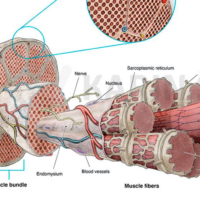
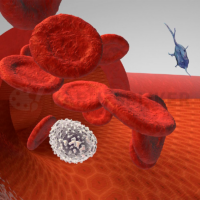
Je kunt hier relevante werkvoorbeelden bekijken: → portfolio



Lokaal en internationaal actief
Wetenschappelijke samenwerking is van nature internationaal, en dat geldt ook voor mijn werk. Ik werk samen met onderzoekers, universiteiten en bedrijven in verschillende landen, en onderhoud tegelijkertijd nauwe banden met organisaties in Nederland en België.
Deze combinatie maakt zowel efficiënte digitale werkprocessen als directe communicatie mogelijk wanneer dat nodig is. Bij sommige projecten, met name projecten waarbij complexe afstemming nodig is, kan lokale samenwerking een voordeel zijn.
Investering en omvang van de werkzaamheden
De kosten van biologische illustratiediensten zijn afhankelijk van de complexiteit van het onderwerp, de vereiste mate van detail en de omvang van het project.
Eenvoudige illustraties kunnen vaak binnen een kortere tijd worden voltooid, terwijl complexere afbeeldingen, met name die met meerdere lagen of 3D-elementen, een uitgebreider proces vereisen.
Zie → tarieven wetenschappelijke illustraties voor een overzicht van de tarieven en de projectstructuur
Veelgestelde vragen
Hier vindt u antwoorden op veelgestelde vragen over het illustratieproces, tijdschema’s, prijzen, licenties, bestandslevering en samenwerking.
Ga aan de slag met je biologische illustratieproject
Voor wetenschappelijk, educatief of professioneel gebruik bied ik een gestructureerde, op onderzoek gebaseerde aanpak aan, waarbij duidelijkheid en nauwkeurigheid centraal staan.
→ /medische-illustrator-zoeken
→ /contact
Duidelijke wetenschap verdient duidelijke beelden.
Complexe biologische inhoud omzetten in nauwkeurige visuele communicatie
Werk rechtstreeks samen met een gespecialiseerde biologische illustrator
voor nauwkeurige, publicatieklare afbeeldingen die zijn afgestemd op uw vakgebied.
Ben je klaar om samen te werken aan een project op het gebied van biologische illustraties?
Duidelijk, nauwkeurig en afgestemd op uw biologische inhoud