Duidelijk begrip bij de patiënt
Medische illustraties die complexe informatie omzetten in duidelijke, gestructureerde afbeeldingen, zodat patiënten deze beter kunnen begrijpen.
Anatomisch nauwkeurig en betrouwbaar
Wetenschappelijk nauwkeurige illustraties op basis van geverifieerde anatomische structuren en medische bronnen.
Ontworpen voor communicatie met patiënten
Beeldmateriaal dat is afgestemd op het niveau van de patiënt en dat effectieve communicatie bevordert zonder de medische inhoud te veel te vereenvoudigen.
Illustratie ter voorlichting van patiënten
Medische illustraties zijn bedoeld om patiënten te helpen complexe aandoeningen, behandelingen en ingrepen duidelijk en met vertrouwen te begrijpen. Deze afbeeldingen zijn ontworpen om de cognitieve belasting te verminderen, het begrip te verbeteren en weloverwogen besluitvorming te ondersteunen.
Deze afbeeldingen maken deel uit van een breder aanbod aan medische illustraties die een effectieve communicatie tussen zorgverleners en patiënten bevorderen en zo het begrip, het vertrouwen en de besluitvorming verbeteren.
"Ik werk al jaren samen met Karin Spijker aan verschillende visuele projecten. De grootste gemene deler in deze projecten is een kwalitatief, professioneel beeld dat op tijd geleverd wordt. Karin is op beide vlakken helemaal thuis, of het nu gaat om een illustratie of high-end beeldbewerking op fotomateriaal."
 Pauline Speelman, Signorita
"Karin Spijker heeft meerdere keren naar volle tevredenheid opdrachten voor mij uitgevoerd, zoals logo's en twee 3D animaties. Karin kan de informatie uit een briefing vertalen naar het gewenste eindproduct en kan prettig meedenken. Daarbij werkt ze nauwkeurig, houdt zich aan de gestelde planning en komt haar afspraken na. Karin is ook een charmant persoon om mee samen te werken."
 Natasja Kardos, Seahorse Solutions
"Voor mijn klanten heb ik Karin Spijker vaker gevraagd voor maatwerkopdrachten, met name voor meer specialistische beeldbewerking. Karin kan software als Adobe Photoshop en Illustrator tevoorschijn toveren. Ze is heel secuur en communiceert ook over de voortgang. Ik kan Karin, haar werk en haar prettige samenwerking van harte aanbevelen."
 Marian de Jong, Piri Piri Marketing en Communicatie
Voorbeelden van toepassingen van illustraties voor patiëntenvoorlichting in de communicatie binnen de gezondheidszorg
Toepassingen van illustraties voor patiëntenvoorlichting
Duidelijke illustraties voor brochures, folders en voorlichtingsmateriaal die patiënten helpen diagnoses, behandelingen en ingrepen te begrijpen.
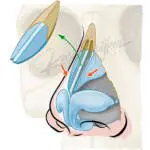
Stapsgewijze afbeeldingen die medische ingrepen uitleggen, waardoor geïnformeerde toestemming wordt bevorderd en de onzekerheid bij patiënten wordt verminderd.
Gestructureerde visuele elementen voor websites, apps en e-learningmodules in de gezondheidszorg die het begrip en de betrokkenheid van patiënten vergroten.
Illustratiediensten voor patiëntenvoorlichting
Ik lever gespecialiseerde illustratiediensten op het gebied van patiëntenvoorlichting aan zorginstellingen, uitgeverijen en bedrijven in de life sciences-sector. Bekijk de onderstaande rubrieken om te zien hoe beeldmateriaal het begrip en de communicatie met patiënten bevordert.
Elk type illustratie voor patiëntenvoorlichting is afgestemd op een specifiek communicatiedoel.
Ontdek de kracht van illustraties voor patiëntenvoorlichting.
Klaar voor publicatie en consistent
De illustraties worden kant-en-klaar geleverd voor gebruik in brochures, websites, e-learningmodules en presentaties.
Visuele consistentie zorgt ervoor dat alles aansluit bij uw merk en communicatiestrategie.
Op samenwerking gebaseerd en medisch onderbouwd
Projecten worden ontwikkeld in nauwe samenwerking met zorgprofessionals, onderzoekers of inhoudsteams.
Dit garandeert zowel medische nauwkeurigheid als relevantie voor de beoogde doelgroep.
Achter elke illustratie schuilt een duidelijk, gestructureerd proces
Een transparante workflow zorgt ervoor dat complexe medische en wetenschappelijke inhoud wordt omgezet in nauwkeurige, heldere en publicatieklare afbeeldingen, vanaf de eerste briefing en het onderzoek tot en met de verfijning en de uiteindelijke oplevering.

Op zoek naar een op maat gemaakte illustratie voor medische patiëntenvoorlichting?
Als u op zoek bent naar duidelijke, nauwkeurige illustraties voor medische voorlichting aan patiënten, bijvoorbeeld voor publicaties, opleidingen of communicatie in de gezondheidszorg, neem dan gerust een kijkje bij de bovenstaande dienstverleningsgebieden of neem contact met ons op.
Waarom zou je voor illustraties ter voorlichting van patiënten samenwerken met een professionele medische illustrator?
Voor het maken van illustraties ter voorlichting van patiënten is meer nodig dan alleen tekenvaardigheid. Het vereist een combinatie van wetenschappelijk inzicht, visuele communicatie en samenwerking met medische professionals. Algemene afbeeldingen of stockfoto’s sluiten vaak niet aan bij het begripsniveau van de patiënt of de specifieke medische context.
Over de illustrator
Ik ben Karin Spijker, een wetenschappelijk en medisch illustrator die gespecialiseerd is in het omzetten van complexe medische informatie in duidelijke afbeeldingen die het begrip van de patiënt bevorderen.
Met een achtergrond in tekenen en schilderen en een masterdiploma in wetenschappelijke illustratie combineer ik visuele vaardigheden met een grondige kennis van anatomie en communicatie.
Ik werk samen met zorgverleners, uitgevers en organisaties in de biowetenschappen om illustraties te maken die de communicatie met patiënten verbeteren, het onderwijs ondersteunen en complexe aandoeningen en behandelingen begrijpelijker maken.

Wat is een illustratie ter voorlichting van patiënten?
Illustraties voor patiëntenvoorlichting zijn een gespecialiseerde vorm van medische illustraties die erop gericht zijn de patiënt inzicht te geven.
Illustraties voor patiëntenvoorlichting zijn bedoeld om medische informatie op een voor patiënten begrijpelijke manier uit te leggen.
Dit omvat:
- medische aandoeningen
- behandelingen en ingrepen
- herstelprocessen
- werkingsmechanismen
Het doel is om de kloof tussen medische expertise en het begrip van de patiënt te overbruggen.
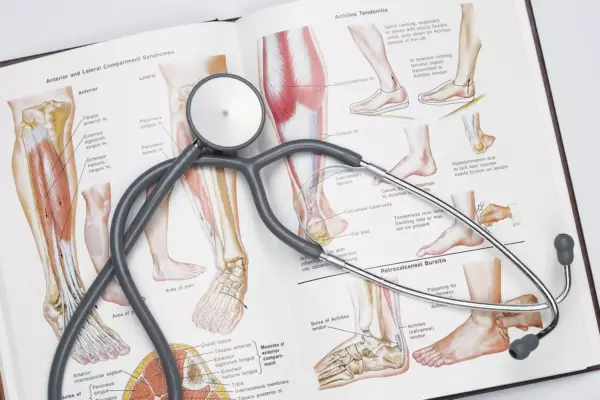
Waarom illustraties voor patiëntenvoorlichting belangrijk zijn
Wanneer patiënten een diagnose of een behandelplan krijgen, bestaat er vaak een kloof tussen medische kennis en het begrip van de patiënt.
Tekst alleen is vaak niet voldoende.
Beelden zorgen ervoor dat patiënten informatie beter verwerken. Ze verlichten de cognitieve belasting en maken complexe onderwerpen begrijpelijker.
Illustraties voor patiëntenvoorlichting worden gebruikt om:
- medische procedures uitleggen
- geïnformeerde toestemming bevorderen
- complexe diagnoses vereenvoudigen
- het communicatiemateriaal voor patiënten verbeteren
Duidelijke beelden zorgen voor een beter begrip, minder angst en betere besluitvorming.
Medische illustraties om het begrip van de patiënt te bevorderen
Een belangrijke uitdaging bij communicatie in de gezondheidszorg is om complexe informatie begrijpelijk te maken zonder dat dit ten koste gaat van de nauwkeurigheid.
Medische illustraties lossen dit op door overbodige details weg te laten.
Chirurgische fotografie kan nogal overweldigend zijn. Er is vaak te veel te zien: weefsel, bloed, instrumenten en de lichtomstandigheden.
Met illustraties kun je selectief scherpstellen.
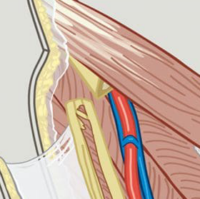
Anatomische lagen kunnen worden vereenvoudigd, aangepast of verwijderd om een specifieke structuur of een specifiek proces te benadrukken.
Onzichtbare of abstracte mechanismen, zoals de manier waarop een behandeling inwerkt op het lichaam, kunnen zichtbaar worden gemaakt.
Hierdoor krijgen patiënten niet alleen inzicht in wat er gebeurt, maar ook in hoe en waarom.


Toepassingen
Illustraties voor patiëntenvoorlichting worden in tal van zorgcontexten gebruikt:
- patiëntenbrochures en folders
- websites van ziekenhuizen en klinieken
- uitleg over de behandeling
- voorlichting over chronische aandoeningen
- communicatie vóór en na de operatie
- apps voor de gezondheidszorg en e-learningmodules
Deze afbeeldingen zorgen voor een consistente communicatie op alle platforms.
Gezondheidsgeletterdheid en de invloed van beeldmateriaal
Gezondheidsgeletterdheid blijft wereldwijd een grote uitdaging. Een groot deel van de bevolking heeft moeite om medische informatie te begrijpen. Visuele communicatie speelt hierbij een cruciale rol. Beelden worden sneller verwerkt dan tekst en zorgen ervoor dat informatie beter wordt onthouden. Ze helpen patiënten instructies te begrijpen, verminderen onzekerheid en vergroten het vertrouwen. Dit maakt visuele communicatie onmisbaar in de moderne gezondheidszorg.
Voor zorgverleners en zorginstellingen heeft dit tot gevolg dat:
- betere betrokkenheid van patiënten
- betere communicatie
- een betere therapietrouw
Inzicht in de prijsstelling van medische illustraties
Elk project is maatwerk en hangt af van de omvang, de complexiteit en het beoogde gebruik. Als u een duidelijk overzicht wilt van hoe de prijsstelling is opgebouwd, inclusief gangbare prijsbereiken en licentievoorwaarden, kunt u de prijspagina raadplegen.
Op maat gemaakte illustraties voor patiëntenvoorlichting versus stockafbeeldingen en standaardhulpmiddelen
Om een weloverwogen beslissing te nemen, is het nuttig om illustraties op maat te vergelijken met standaardoplossingen. Illustraties op maat vergen een hogere initiële investering, maar leveren beeldmateriaal op dat nauwkeurig en herbruikbaar is en aansluit bij uw communicatiedoelstellingen.
| Aspect | Karin Spijker (illustratie op maat) | Medische software (bijv. BioRender) | Stockfotobanken |
|---|---|---|---|
| Wetenschappelijke nauwkeurigheid | Zeer nauwkeurig gecontroleerd, ontwikkeld in samenwerking met medische deskundigen en afgestemd op het specifieke geval |
De basisanatomie klopt, maar biedt onvoldoende specifieke informatie over complexe of nieuwe technieken |
Inconsistente, vaak ontbrekende medische validatie |
| Visuele duidelijkheid voor patiënten |
Ontworpen om ruis te verminderen en af te stemmen op het begripsniveau van de patiënt begrip |
Vaak te klinisch of vol met technische details |
Te algemeen, mist diepgaande uitleg |
| Flexibiliteit | Volledig aanpasbaar qua structuur, invalshoek en visuele stijl |
Beperkt tot de bestaande bibliotheek elementen |
Kan niet worden aangepast |
| Het meest geschikt voor | Hoogwaardig onderwijs, farmaceutische materialen, chirurgische communicatie, publicaties |
Interne presentaties, academische posters, conceptuele afbeeldingen |
Algemene inhoud, toepassingen met een laag budget gevallen |
Veelgestelde vragen
Hier vindt u antwoorden op veelgestelde vragen over het illustratieproces, tijdschema’s, prijzen, licenties, bestandslevering en samenwerking.
Duidelijkheid en nauwkeurigheid in de communicatie binnen de gezondheidszorg
Duidelijke communicatie is van essentieel belang in de gezondheidszorg.
Illustraties voor patiëntenvoorlichting helpen complexe medische informatie om te zetten in begrijpelijke kennis. Dit bevordert het begrip, ondersteunt weloverwogen beslissingen en versterkt het vertrouwen.
Als u op zoek bent naar heldere, nauwkeurige en gestructureerde visuele communicatie, dan bekijk ik graag samen met u hoe dit uw project kan ondersteunen.
Zet complexe medische informatie om in heldere visuele communicatie
Werk rechtstreeks samen met een gespecialiseerde medische illustrator
voor nauwkeurige, publicatieklare afbeeldingen die zijn afgestemd op uw vakgebied.
Klaar om patiënten meer inzicht te geven met behulp van duidelijke medische afbeeldingen?
Duidelijk, nauwkeurig en afgestemd op uw medische inhoud