Anatomische nauwkeurigheid
Gebaseerd op geverifieerde anatomische referenties en in overeenstemming met de huidige medische normen.
Duidelijkheid in complexe structuren
Complexe anatomische verbanden worden vertaald naar duidelijke, gestructureerde afbeeldingen.
Doelgerichte beelden
Elke illustratie is afgestemd op de betreffende context, van onderwijs tot klinische communicatie.
Illustratiediensten op het gebied van de menselijke anatomie
De menselijke anatomie is van nature complex. Het beschrijven van het exacte verloop van een zenuw, de structuur van een gewricht of het verloop van een aandoening gaat vaak verder dan wat alleen met tekst kan worden overgebracht.
Een illustratie van de menselijke anatomie zorgt voor duidelijkheid.
Als gecertificeerd medisch en wetenschappelijk illustrator zet ik complexe anatomische en klinische informatie om in nauwkeurige, gestructureerde afbeeldingen. Deze illustraties zijn bedoeld om het begrip, de besluitvorming en het leerproces te ondersteunen in het medisch onderwijs, de uitgeverij en de communicatie in de gezondheidszorg.
→ Bekijk gerelateerde diensten op het gebied van medische illustraties
→ Bekijk geselecteerde werken in het portfolio
"Ik werk al jaren samen met Karin Spijker aan verschillende visuele projecten. De grootste gemene deler in deze projecten is een kwalitatief, professioneel beeld dat op tijd geleverd wordt. Karin is op beide vlakken helemaal thuis, of het nu gaat om een illustratie of high-end beeldbewerking op fotomateriaal."
 Pauline Speelman, Signorita
"Karin Spijker heeft meerdere keren naar volle tevredenheid opdrachten voor mij uitgevoerd, zoals logo's en twee 3D animaties. Karin kan de informatie uit een briefing vertalen naar het gewenste eindproduct en kan prettig meedenken. Daarbij werkt ze nauwkeurig, houdt zich aan de gestelde planning en komt haar afspraken na. Karin is ook een charmant persoon om mee samen te werken."
 Natasja Kardos, Seahorse Solutions
"Voor mijn klanten heb ik Karin Spijker vaker gevraagd voor maatwerkopdrachten, met name voor meer specialistische beeldbewerking. Karin kan software als Adobe Photoshop en Illustrator tevoorschijn toveren. Ze is heel secuur en communiceert ook over de voortgang. Ik kan Karin, haar werk en haar prettige samenwerking van harte aanbevelen."
 Marian de Jong, Piri Piri Marketing en Communicatie
Anatomische illustraties voor het onderwijs en de uitgeverij
Wetenschappelijke uitgevers, universiteiten en platforms voor medische opleidingen zijn aangewezen op nauwkeurige afbeeldingen om complexe kennis over te brengen zonder afbreuk te doen aan de wetenschappelijke integriteit.
Een hoogwaardige anatomische illustratie voor medische studieboeken vormt een brug tussen theorie en ruimtelijk inzicht.
In tegenstelling tot fotografie, waarin vaak visuele storingen voorkomen, zoals overlappend weefsel, reflecties of occlusies, biedt illustratie meer controle over de helderheid. Relevante anatomische structuren kunnen worden geïsoleerd, onderlinge relaties kunnen worden benadrukt en overbodige elementen kunnen worden verwijderd.
Dit leidt tot beelden die:
- Het begrip van complexe anatomische structuren verbeteren
- De cognitieve belasting in leeromgevingen verminderen
- Zorg voor behoud op lange termijn
- De kwaliteit en het gezag van publicaties verbeteren
Om deze reden blijft de op maat gemaakte anatomische illustratie de voorkeursnorm in academische en professionele medische publicaties.

Gedetailleerde anatomische afbeeldingen, ontworpen voor medisch onderwijs, studieboeken en klinisch naslagwerk.
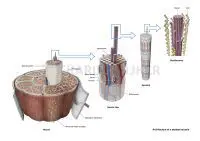
Gerichte illustraties van specifieke systemen, zoals het bewegingsapparaat, het vaatstelsel en het zenuwstelsel.

Toegepaste anatomische afbeeldingen voor chirurgische planning, ingrepen en communicatie met de patiënt.
Van wetenschappelijke complexiteit naar visueel begrip
De doeltreffendheid van anatomische illustraties is gebaseerd op de cognitiewetenschap. Uit onderzoek blijkt dat de meeste leerlingen informatie effectiever verwerken via visuele middelen, vooral wanneer het gaat om complexe ruimtelijke verhoudingen.
Goed opgebouwde illustraties zorgen ervoor dat het minder nodig is om de anatomie op basis van de tekst in gedachten te reconstrueren. In plaats daarvan brengen ze de informatie direct en duidelijk over.
In mijn werk pas ik het volgende toe:
- Duidelijke hiërarchie en opbouw
- Selectieve detaillering en abstractie
- Kleurcodering en gelaagdheid (2D en 3D)
- Richt je op specifieke leerdoelen
Deze aanpak is niet louter decoratief, maar functioneel. Ze zorgt ervoor dat men de stof sneller begrijpt en dat kennis effectiever wordt overgedragen.
Anatomische illustratie voor communicatie met patiënten
Het overbrengen van medische informatie aan patiënten vereist een andere visuele strategie dan de communicatie tussen professionals onderling.
Waar zorgverleners behoefte hebben aan diepgang en precisie, hebben patiënten behoefte aan duidelijkheid en toegankelijkheid.
Een goed ontworpen anatomische illustratie voor voorlichting aan patiënten:
- Maakt complexe medische informatie begrijpelijker
- Ondersteunt weloverwogen besluitvorming
- Vermindert onzekerheid en angst
- Verbetert het algemene begrip van procedures en aandoeningen
Visuele communicatie speelt een cruciale rol bij het begrip van de patiënt. Duidelijke illustraties helpen de kloof tussen medische expertise en het begrip van de patiënt te overbruggen, zonder dat dit ten koste gaat van de nauwkeurigheid.

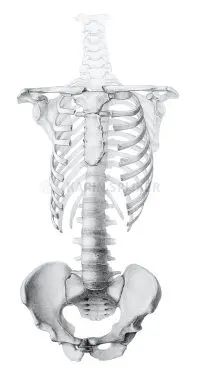
Soorten illustraties van de menselijke anatomie
Afhankelijk van de context en het publiek worden verschillende benaderingen gehanteerd.
Ik bied het volgende aan:
- Gedetailleerde anatomische illustraties voor studieboeken en publicaties
- Vereenvoudigde schema’s voor onderwijs en communicatie
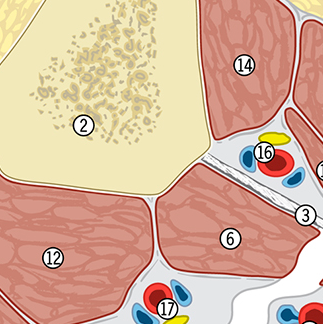
- Dwarsdoorsneden en gelaagde anatomische weergaven
- Illustraties van klinische en chirurgische situaties
- 2D- en 3D-anatomische visualisaties
Elke illustratie is gemaakt met een duidelijk doel voor ogen: de anatomie zo effectief en nauwkeurig mogelijk weer te geven.
Op maat gemaakte anatomische illustraties versus standaardafbeeldingen
Algemene afbeeldingen, stockfoto’s en door AI gegenereerde inhoud kunnen handig zijn voor snel intern gebruik. In professionele medische contexten schieten ze echter vaak tekort.
Belangrijkste verschillen:
- Wetenschappelijke nauwkeurigheid: geverifieerd door middel van onderzoek op basis van bronnen
- Regeling en specificiteit: afgestemd op exacte anatomische of klinische behoeften
- Didactische duidelijkheid: gericht op een duidelijk omschreven leerdoel
- Licentie: geschikt voor professioneel en langdurig gebruik
Voor toepassingen waarbij veel op het spel staat, zoals medische handboeken, communicatie op chirurgisch gebied of voorlichting aan patiënten, zijn nauwkeurigheid en duidelijkheid van essentieel belang. Illustraties op maat garanderen beide.
Achter elke illustratie schuilt een duidelijk, gestructureerd proces
Een transparante workflow zorgt ervoor dat complexe medische en wetenschappelijke inhoud wordt omgezet in nauwkeurige, heldere en publicatieklare afbeeldingen, vanaf de eerste briefing en het onderzoek tot en met de verfijning en de uiteindelijke oplevering.

Waarom zou je met een professionele anatomische illustrator samenwerken?
Anatomische illustraties vereisen meer dan alleen tekenvaardigheid. Ze vereisen een grondige kennis van de anatomie, heldere visuele communicatie en nauwe samenwerking met medische professionals.
Over Karin Spijker
Ik ben Karin Spijker, een wetenschappelijk en medisch illustrator die gespecialiseerd is in de menselijke anatomie. Met mijn achtergrond in tekenen en schilderen en een masterdiploma in wetenschappelijke illustratie combineer ik anatomische nauwkeurigheid met heldere visuele communicatie.
Met mijn werk help ik uitgevers, zorgverleners en onderwijsplatforms om complexe anatomische structuren om te zetten in nauwkeurige en begrijpelijke afbeeldingen.
Naast opdrachten ontwikkel ik ook eigen werk waarin anatomie en de natuur centraal staan. Deze voortdurende praktijk versterkt mijn observatievermogen en verdiept mijn inzicht in vorm, structuur en visuele helderheid.

Een selectie van anatomische illustraties
Elk project wordt ontwikkeld in nauwe samenwerking met klanten, waaronder uitgevers, zorginstellingen en bedrijven in de life sciences-sector.
Bekijk een aantal voorbeelden van illustraties van de menselijke anatomie om te zien hoe complexe medische informatie wordt omgezet in duidelijke, functionele afbeeldingen.


Inzicht in de prijsstelling van medische illustraties
Elk project is maatwerk en hangt af van de omvang, de complexiteit en het beoogde gebruik. Als u een duidelijk overzicht wilt van hoe de prijsstelling is opgebouwd, inclusief gangbare prijsbereiken en licentievoorwaarden, kunt u de prijspagina raadplegen.
Veelgestelde vragen
Hier vindt u antwoorden op veelgestelde vragen over het illustratieproces, tijdschema’s, prijzen, licenties, bestandslevering en samenwerking.
Vraag een offerte aan of bespreek uw project
Bent u op zoek naar een professionele illustrator van de menselijke anatomie voor medische of educatieve projecten?
Ik werk samen met uitgevers, zorginstellingen en bedrijven in de life sciences om op maat gemaakte, hoogwaardige anatomische illustraties te ontwikkelen die zijn afgestemd op specifieke doelstellingen en doelgroepen.
Neem contact met ons op om uw project te bespreken of een offerte op maat aan te vragen.
→ Contact
→ Vraag een offerte aan