Anatomische nauwkeurigheid bij katten
Illustraties die zijn gebaseerd op wetenschappelijke bronnen, veterinair bronmateriaal en de soortspecifieke anatomie van katten.
Duidelijkheid over de complexe anatomie van katten
Afbeeldingen die zijn ontworpen om de skeletstructuur, bewegingen, orgaansystemen, zintuiglijke anatomie, neurologische verbanden en ruimtelijke duidelijkheid te verduidelijken.
Gestructureerde visuele communicatie
Een duidelijk werkproces, van briefing en referentiemateriaal tot de uiteindelijke visuele uitingen voor diergeneeskundig onderwijs, onderzoek, klinische communicatie of publicaties.
Illustratiediensten op het gebied van kattenanatomie
Illustraties van de anatomie van katten zetten de complexe anatomie van katten om in duidelijke, nauwkeurige visuele informatie voor het diergeneeskundig onderwijs, onderzoek, klinische uitleg en wetenschappelijke publicaties. De anatomie van katten is zeer gespecialiseerd, met anatomische systemen die zijn aangepast aan behendigheid, evenwicht, zintuiglijke waarneming, snelle bewegingen en nauwkeurige coördinatie. Deze structuren zijn vaak moeilijk duidelijk over te brengen via alleen tekst, foto’s, diagnostische beelden of algemene afbeeldingen.
Een goed uitgewerkte anatomische illustratie van een kat kan duidelijkheid verschaffen over de skeletstructuur, de spieropbouw, de orgaansystemen, de neurologische verbanden, de zintuiglijke anatomie, pathologische veranderingen en soortspecifieke anatomische details. Deze illustratie helpt bij het ordenen van complexe informatie in afbeeldingen die wetenschappelijk onderbouwd, overzichtelijk en bruikbaar zijn voor professionele communicatie.
Ik ben Karin Spijker, een gediplomeerd wetenschappelijk en medisch illustrator met een gedegen achtergrond in anatomie, biologische visualisatie en gedetailleerd observatietekenen. Ik maak op maat gemaakte illustraties van de anatomie van katachtigen voor het diergeneeskundig onderwijs, wetenschappelijke publicaties, klinische communicatie, op onderzoek gebaseerde visuele projecten en professioneel lesmateriaal.
Gerelateerde pagina's:
→ illustraties van dierlijke anatomie
→ illustraties van vergelijkende anatomie
→ illustraties op het gebied van diergeneeskunde
→ wetenschappelijke illustraties
→ portfolio
"Ik werk al jaren samen met Karin Spijker aan verschillende visuele projecten. De grootste gemene deler in deze projecten is een kwalitatief, professioneel beeld dat op tijd geleverd wordt. Karin is op beide vlakken helemaal thuis, of het nu gaat om een illustratie of high-end beeldbewerking op fotomateriaal."
 Pauline Speelman, Signorita
"Karin Spijker heeft meerdere keren naar volle tevredenheid opdrachten voor mij uitgevoerd, zoals logo's en twee 3D animaties. Karin kan de informatie uit een briefing vertalen naar het gewenste eindproduct en kan prettig meedenken. Daarbij werkt ze nauwkeurig, houdt zich aan de gestelde planning en komt haar afspraken na. Karin is ook een charmant persoon om mee samen te werken."
 Natasja Kardos, Seahorse Solutions
"Voor mijn klanten heb ik Karin Spijker vaker gevraagd voor maatwerkopdrachten, met name voor meer specialistische beeldbewerking. Karin kan software als Adobe Photoshop en Illustrator tevoorschijn toveren. Ze is heel secuur en communiceert ook over de voortgang. Ik kan Karin, haar werk en haar prettige samenwerking van harte aanbevelen."
 Marian de Jong, Piri Piri Marketing en Communicatie
De anatomie van de kat visueel duidelijk weergeven
De anatomie van katten vereist een zorgvuldige visuele benadering, omdat katten qua lichaamsbouw verschillen van mensen, honden, paarden en vele andere dieren. Hun skelet, spierstelsel, zenuwstelsel, zintuigen en inwendige anatomie zijn aangepast aan een zeer specifieke manier van bewegen, jagen, klimmen, landen en zich in hun omgeving oriënteren.
Deze anatomische verbanden zijn niet altijd even gemakkelijk uit te leggen aan de hand van standaardreferentieafbeeldingen. Foto’s en scans kunnen weliswaar waardevolle informatie bevatten, maar vertonen vaak visuele ruis, overlappende structuren of een beperkt zicht. Illustraties maken het mogelijk om de anatomie te verduidelijken door relevante structuren te isoleren, overbodige details te vereenvoudigen en de kijker te begeleiden langs de verbanden die het belangrijkst zijn.
Het doel is niet om de anatomie van katten eenvoudiger voor te stellen dan ze in werkelijkheid is. Het doel is om complexe anatomische informatie begrijpelijk te maken zonder dat de wetenschappelijke betekenis verloren gaat.
Waarom illustraties van de anatomie van katten belangrijk zijn
Katten hebben een zeer gespecialiseerde anatomische bouw. Hun flexibele ruggengraat, beweeglijke schoudergordel, krachtige achterpoten, verfijnde zintuigen en nauwkeurige neuromusculaire coördinatie dragen allemaal bij aan hun bewegingen en gedrag. In het diergeneeskundig onderwijs, de klinische communicatie en wetenschappelijke publicaties moeten deze kenmerken nauwkeurig en duidelijk worden uitgelegd.
Een algemene afbeelding van de dierlijke anatomie volstaat zelden voor de anatomie van katachtigen. Belangrijke verbanden tussen botten, spieren, gewrichten, organen, zenuwen, bloedvaten en zintuigen kunnen verkeerd worden weergegeven wanneer de afbeelding niet is gebaseerd op betrouwbaar anatomisch bronmateriaal.
Op maat gemaakte illustraties van de kattenanatomie bieden een gestructureerde manier om deze structuren duidelijk weer te geven. Ze ondersteunen het leerproces, publicaties, de communicatie over onderzoek en uitleg door dierenartsen, doordat ze de anatomie op een zowel wetenschappelijk onderbouwde als visueel gestructureerde manier weergeven.
Skeletstructuur, beweging en biomechanica
Het skelet van katachtigen is aangepast aan flexibiliteit, evenwicht en snelle bewegingen. Katten hebben een zeer beweeglijke wervelkolom, een flexibel schoudergebied en ledematen die geschikt zijn voor springen, klimmen, sprinten en landen. Deze anatomische aanpassingen maken de bewegingen van katachtigen visueel fascinerend, maar ook moeilijk uit te leggen.
Illustraties kunnen duidelijk maken hoe skeletstructuren, gewrichten, spieren, pezen en ligamenten samenwerken. Dit is met name nuttig in het diergeneeskundig onderwijs, bij communicatie op het gebied van orthopedie, bij uitleg op het gebied van neurologie, in revalidatiemateriaal en bij vergelijkende anatomie.
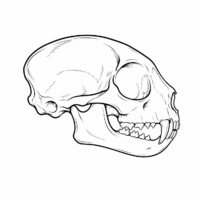
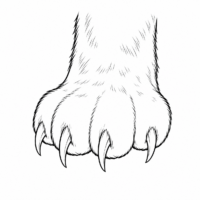
Voor sommige projecten kan een duidelijk skeletoverzicht volstaan. Bij andere projecten is wellicht een gedetailleerdere weergave van de wervelkolom, het bekken, de ledematen, de schedel, de poten of de gewrichtsverhoudingen nodig. De visuele aanpak hangt af van het beoogde gebruik, de doelgroep en het vereiste niveau van anatomische detail.
Gerelateerde pagina's:
→ illustratie van vergelijkende anatomie
→ illustratie van dierlijke anatomie
→ illustratie van de anatomie van honden
Van referentiemateriaal tot definitieve illustratie
Het maken van een anatomische illustratie van een kat vereist een gestructureerde werkwijze. Elk project begint met het communicatiedoel: wat moet er worden weergegeven, wie moet het begrijpen en waar zal de uiteindelijke afbeelding worden gebruikt?
Referentiemateriaal kan bestaan uit anatomische literatuur, veterinaire bronnen, wetenschappelijke publicaties, foto’s van specimens, schetsen, scans, beeldgegevens of feedback van deskundigen. In de conceptfase worden de compositie, het perspectief, het detailniveau en de visuele hiërarchie vastgelegd. Zodra de structuur duidelijk is, wordt de illustratie uitgewerkt en verfijnd met het oog op nauwkeurigheid, duidelijkheid en bruikbaarheid.
- briefing en omschrijving van de reikwijdte
- onderzoek en literatuuronderzoek
- conceptschetsen en visuele planning
- ontwikkeling en verfijning van illustraties
- definitieve aanlevering voor publicatie, onderwijs of digitaal gebruik
Een transparante workflow die is ontworpen met het oog op nauwkeurigheid, duidelijkheid en efficiënte samenwerking.

Interne anatomie en orgaansystemen
De inwendige anatomie van katten kan lastig te interpreteren zijn, omdat de organen in een compacte lichaamsholte zijn ondergebracht en vaak in relatie tot de omliggende structuren moeten worden weergegeven. Het spijsverteringsstelsel, de nieren, de lever, het hart, de longen, de voortplantingsorganen, de bloedvaten en het zenuwstelsel vereisen allemaal een zorgvuldige visuele indeling wanneer ze worden gebruikt voor onderwijsdoeleinden of klinische communicatie.
Wetenschappelijke illustraties kunnen deze structuren in hun context plaatsen. Ze kunnen laten zien hoe orgaansystemen in het lichaam met elkaar in verband staan en anatomische relaties verduidelijken die op foto’s, scans of afzonderlijke diagrammen misschien niet direct duidelijk zijn.
Dit kan van nut zijn voor het diergeneeskundig onderwijs, studieboeken, communicatie met patiënten/cliënten, onderzoekspresentaties en professioneel lesmateriaal. Afhankelijk van het doel kan de illustratie bestaan uit een overzichtelijk educatief schema, een diagram met bijschriften, een gedetailleerde anatomische afbeelding of een meer specifieke afbeelding die is ontwikkeld op basis van referentiemateriaal.
Zintuiglijke en neurologische anatomie van katten
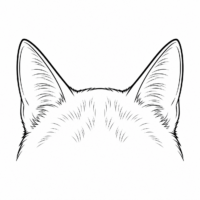
Katten beschikken over zeer gespecialiseerde zintuiglijke systemen. Structuren zoals de ogen, snorharen, oren, hersenzenuwen en het zenuwstelsel spelen een belangrijke rol bij het evenwicht, de oriëntatie, het jachtgedrag en het omgevingsbewustzijn. Het kan lastig zijn om deze systemen duidelijk uit te leggen, omdat ze zowel zichtbare anatomische kenmerken als verborgen neurale verbanden omvatten.
Illustraties kunnen helpen om een verband te leggen tussen uiterlijke kenmerken en de inwendige anatomie. Zo kan een afbeelding bijvoorbeeld de relatie tussen het oog en de omliggende structuren verduidelijken, de rol van de snorharen en de gezichtszenuwen uitleggen, of de anatomische opbouw van het oor en het evenwichtsorgaan weergeven.
Dit soort visuele communicatie is met name nuttig in het diergeneeskundig onderwijs, bij uitleg op het gebied van de neurologie, in wetenschappelijke publicaties en in lesmateriaal, waar duidelijkheid van essentieel belang is.
Soortspecifieke anatomie van katachtigen
Hoewel katten vaak worden vergeleken met honden of andere kleine zoogdieren, heeft de anatomie van katten haar eigen structurele logica. Een kat mag niet worden gezien als een kleinere hond of als een willekeurig zoogdier. Verschillen in houding, bewegingen van de ledematen, schedelstructuur, klauwen, flexibiliteit van de wervelkolom, zintuiglijke systemen en de onderlinge verhoudingen tussen organen kunnen, afhankelijk van het project, van groot belang zijn.
Bij een op maat gemaakte illustratie van de anatomie van katachtigen kan de afbeelding worden afgestemd op het onderwerp, het anatomische gebied en het communicatiedoel. Hierbij kan het nodig zijn om anatomische literatuur, veterinaire bronnen, wetenschappelijke publicaties, foto’s van preparaten, beeldvormingsgegevens of advies van deskundigen te raadplegen, om ervoor te zorgen dat de uiteindelijke afbeelding nauwkeurig en passend is.
Deze soortspecifieke benadering is met name van belang in het diergeneeskundig onderwijs, de vergelijkende anatomie, de klinische communicatie, wetenschappelijke publicaties en de illustratie van dierlijke anatomie.
Gerelateerde pagina's:
→ illustraties voor de diergeneeskunde
→ biologische illustraties
→ wetenschappelijke natuurschetsen
Over Karin Spijker
Ik ben Karin Spijker, wetenschappelijk en medisch illustrator met een achtergrond in tekenen, schilderen en textielontwerp. Met een masterdiploma in wetenschappelijke illustratie en aanvullende vaardigheden op het gebied van 3D-productie combineer ik nauwkeurigheid, artisticiteit en het vertellen van verhalen. Mijn werk helpt teams in de gezondheidszorg en de uitgeverswereld om complexe ideeën duidelijk en betrouwbaar over te brengen.
Naast projecten in opdracht maak ik ook onafhankelijke kunstwerken die geïnspireerd zijn door de natuur, anatomie en landschappen. Mijn missie is om wetenschap en natuur toegankelijk, inspirerend en visueel aantrekkelijk te maken.

Toepassingen in het diergeneeskundig onderwijs, onderzoek en klinische communicatie
Illustraties van de anatomie van katten worden in tal van professionele contexten gebruikt. In het diergeneeskundig onderwijs helpen duidelijke afbeeldingen studenten om structuren te begrijpen die mogelijk moeilijk te interpreteren zijn aan de hand van dissecties, foto’s, diagnostische beelden of geïsoleerd referentiemateriaal. In onderzoek en wetenschappelijke publicaties kunnen illustraties anatomische verbanden, soortspecifieke structuren, pathologische veranderingen of vergelijkende bevindingen verduidelijken.
In de klinische praktijk en bij de communicatie met cliënten kunnen afbeeldingen van de anatomie van katten een hulpmiddel vormen bij het uitleggen van aandoeningen, ingrepen, orgaansystemen, neurologische verbanden of anatomische gebieden. Het doel is niet om de kijker te overweldigen, maar om een rustige, nauwkeurige uitleg te geven die het begrip bevordert.
- diergeneeskundig onderwijs en klinische opleiding
- wetenschappelijke publicaties en cijfers uit tijdschriften
- leerboeken, atlassen en e-learningplatforms
- uitleg voor de klant door de dierenarts
- vergelijkende anatomie en het onderwijs in dierlijke anatomie
- onderzoekspresentaties en professionele communicatie
Een goed uitgewerkte illustratie van de anatomie van een kat is meer dan alleen een decoratieve afbeelding. Het is een hulpmiddel voor begrip, onderwijs en professionele communicatie.
→ illustraties voor de diergeneeskunde
→ illustraties voor patiëntenvoorlichting
Op maat gemaakte illustraties van de anatomie van katten versus standaardafbeeldingen
Standaard stockbeelden, sjabloontools en door AI gegenereerde afbeeldingen kunnen nuttig zijn voor eenvoudige of algemene communicatie, maar voldoen zelden aan de eisen van de gespecialiseerde kattenanatomie. De anatomie van katten omvat soortspecifieke structuren en functionele verbanden die gemakkelijk verkeerd worden geïnterpreteerd wanneer de afbeelding niet is gebaseerd op betrouwbaar anatomisch bronmateriaal.
Met een op maat gemaakte illustratie heb je volledige controle over de nauwkeurigheid, het perspectief, de aanduidingen, de details en de visuele hiërarchie. Bovendien kan de illustratie zo worden aangepast aan een specifiek anatomisch gebied, een bepaald onderwijsniveau, een bepaalde publicatievorm, een klinische uitleg of een onderzoeksvraag.
Dit is vooral belangrijk wanneer de afbeelding de skeletstructuur, bewegingen, de ligging van organen, neurologische verbanden, de zintuiglijke anatomie of soortspecifieke morfologie moet weergeven. Een algemene afbeelding kan er weliswaar verzorgd uitzien, maar toch de anatomie niet correct weergeven.
- soortspecifieke anatomische nauwkeurigheid
- duidelijke visuele hiërarchie en etikettering
- gecontroleerde vereenvoudiging zonder vervorming
- publicatieklare kwaliteit
- een consistente stijl bij grotere onderwijs- of onderzoeksprojecten


Inzicht in de prijsstelling van illustraties van de anatomie van katten
Elk project is maatwerk en hangt af van de omvang, de complexiteit en het beoogde gebruik. Als u een duidelijk overzicht wilt van hoe de prijsstelling is opgebouwd, inclusief gangbare prijsbereiken en licentievoorwaarden, kunt u de prijspagina raadplegen.
Technieken en uitvoerformaten
De visuele techniek hangt af van de toepassing. Sommige projecten op het gebied van de anatomie van katachtigen komen het best tot hun recht via illustraties met strakke lijnen of diagrammen met bijschriften. Voor andere projecten kan het nuttig zijn om gebruik te maken van gedetailleerde digitale weergaven, vectorillustraties of specifieke 3D-visualisaties wanneer ruimtelijke verhoudingen duidelijker moeten worden uitgelegd.
Voor wetenschappelijke publicaties kunnen bestanden worden voorbereid als rasterafbeeldingen of vectorafbeeldingen met hoge resolutie. Voor onderwijsdoeleinden en digitale platforms kunnen illustraties worden aangepast voor dia’s, posters, e-learningmodules of online communicatie. Indien nodig kunnen bestanden met lagen ook worden gebruikt voor toekomstige herzieningen of aanpassingen voor onderwijsdoeleinden.
Bij de keuze van de techniek wordt rekening gehouden met nauwkeurigheid, doelgroep en einddoel.
Samenwerken met Karin Spijker
Voor het illustreren van de anatomie van katachtigen is meer nodig dan alleen tekenvaardigheid. Het vereist anatomisch inzicht, wetenschappelijke interpretatie, visuele discipline en het vermogen om complexe biologische structuren op een heldere manier weer te geven.
In mijn werk combineer ik mijn opleiding in medische en wetenschappelijke illustratie met een grote interesse in anatomie, dieren, de natuur en biologische vormen. Daardoor vormt de anatomie van katachtigen een logisch onderdeel van mijn bredere werk op het gebied van dierlijke anatomie en wetenschappelijke visualisatie.
Bij de ontwikkeling van projecten wordt aandacht besteed aan nauwkeurigheid, duidelijkheid, samenwerking en gebruiksvriendelijkheid. Of de uiteindelijke illustratie nu bestemd is voor onderwijs, onderzoek, publicaties, communicatie in de diergeneeskunde of klinische uitleg: het doel is om beeldmateriaal te creëren dat het begrip bevordert en met vertrouwen kan worden gebruikt.
De blijvende waarde van anatomische illustraties van katten
Een goed uitgewerkte anatomische illustratie van een kat kan onderdeel worden van een groter educatief of wetenschappelijk communicatiesysteem. Dezelfde visuele aanpak kan worden toegepast in publicaties, lezingen, studieboeken, posters, e-learningplatforms, klinisch materiaal en toekomstig projectmateriaal.
Consistentie is vooral van groot belang wanneer meerdere anatomische systemen, diersoorten of illustraties samen worden gebruikt. Een samenhangende beeldtaal verbetert de leesbaarheid, bevordert het leerproces en geeft het project een professionelere uitstraling.
Een op maat gemaakte illustratie van de anatomie van katten draagt bij aan duidelijkheid, betrouwbaarheid en communicatieve waarde op de lange termijn.
Veelgestelde vragen
Hier vindt u antwoorden op veelgestelde vragen over het illustratieproces, tijdschema’s, prijzen, licenties, bestandslevering en samenwerking.
Ga aan de slag met je illustratieproject over de anatomie van katten
Als u op zoek bent naar illustraties van de anatomie van katten voor diergeneeskundig onderwijs, onderzoek, klinische communicatie, publicaties of wetenschappelijke communicatie, moet de nadruk altijd liggen op duidelijkheid, nauwkeurigheid en bruikbaarheid.
Of uw project nu betrekking heeft op de skeletanatomie, inwendige organen, zintuigsystemen, neurologische anatomie, vergelijkingen tussen diersoorten, pathologie of breder educatief materiaal: ik kan u helpen om de complexe anatomie van katachtigen om te zetten in illustraties die duidelijk, betrouwbaar en professioneel zijn uitgewerkt.
→ Bekijk gerelateerde projecten in het portfolio
→ Neem contact op om uw project te bespreken
De complexe anatomie van katten vertalen naar duidelijke visuele communicatie
Werk rechtstreeks samen met een wetenschappelijk en medisch illustrator om nauwkeurige afbeeldingen van de anatomie van katten te maken voor diergeneeskundig onderwijs, onderzoek, publicaties of klinische communicatie.
Ben je klaar om mee te werken aan een illustratieproject over de anatomie van katten?
Duidelijk, nauwkeurig en afgestemd op uw medische inhoud