Anatomische nauwkeurigheid in de ontwikkeling
Illustraties die zijn gebaseerd op geverifieerde medische bronnen, bronmateriaal over pasgeborenen en nauwkeurige ontwikkelingsanatomie.
Duidelijkheid in de opleiding van neonatologen
Illustraties die zijn ontworpen om de anatomie, fysiologie, medische handelingen, aangeboren aandoeningen en voorlichting aan ouders op een heldere manier uit te leggen.
Gestructureerde communicatie op onderwijsgebied
Een duidelijk werkproces, van de briefing en de leerdoelen tot de uiteindelijke visuele uitingen voor leerboeken, e-learning, klinische opleidingen of voorlichting aan ouders.
Medische illustraties voor pasgeborenen, bestemd voor educatieve doeleinden
Medische illustraties voor het onderwijs op het gebied van neonatologie vertalen de complexe anatomie, fysiologie, procedures en klinische aandoeningen van pasgeborenen naar duidelijk visueel lesmateriaal. Neonatologie vereist een zorgvuldige uitleg, omdat pasgeborenen en premature baby’s aanzienlijk verschillen van oudere kinderen en volwassenen. Hun lichaamsverhoudingen, de anatomie van de luchtwegen, de bloedsomloop, de rijpheid van de organen en de fysiologische overgangen zijn ontwikkelingsspecifiek en klinisch belangrijk.
In het onderwijs moeten deze verschillen nauwkeurig worden overgebracht. Geneeskundestudenten, coassistenten, verpleegkundigen op de NICU, kinderspecialisten en andere zorgverleners hebben visuele hulpmiddelen nodig die het begrip, het onthouden en een veilige interpretatie bevorderen. Ook ouders hebben behoefte aan rustige, begrijpelijke uitleg wanneer ze worden geconfronteerd met complexe medische informatie over hun pasgeboren kind.
Ik ben Karin Spijker, een gediplomeerd wetenschappelijk en medisch illustrator met een gedegen achtergrond in anatomie, medische visualisatie en gedetailleerd tekenen. Ik maak op maat gemaakte medische illustraties op het gebied van neonatologie voor educatief materiaal, studieboeken, e-learningplatforms, klinische opleidingen, communicatie met ouders en professionele opleidingen in de gezondheidszorg.
Gerelateerde pagina's:
→ medische illustraties op het gebied van neonatologie
→ medische illustraties
→ illustraties voor patiëntenvoorlichting
→ portfolio
"Ik werk al jaren samen met Karin Spijker aan verschillende visuele projecten. De grootste gemene deler in deze projecten is een kwalitatief, professioneel beeld dat op tijd geleverd wordt. Karin is op beide vlakken helemaal thuis, of het nu gaat om een illustratie of high-end beeldbewerking op fotomateriaal."
 Pauline Speelman, Signorita
"Karin Spijker heeft meerdere keren naar volle tevredenheid opdrachten voor mij uitgevoerd, zoals logo's en twee 3D animaties. Karin kan de informatie uit een briefing vertalen naar het gewenste eindproduct en kan prettig meedenken. Daarbij werkt ze nauwkeurig, houdt zich aan de gestelde planning en komt haar afspraken na. Karin is ook een charmant persoon om mee samen te werken."
 Natasja Kardos, Seahorse Solutions
"Voor mijn klanten heb ik Karin Spijker vaker gevraagd voor maatwerkopdrachten, met name voor meer specialistische beeldbewerking. Karin kan software als Adobe Photoshop en Illustrator tevoorschijn toveren. Ze is heel secuur en communiceert ook over de voortgang. Ik kan Karin, haar werk en haar prettige samenwerking van harte aanbevelen."
 Marian de Jong, Piri Piri Marketing en Communicatie
Neonatologie vertalen naar duidelijkheid in het onderwijs
Onderwijs op het gebied van neonatologie vereist meer dan alleen accurate inhoud. Het vereist structuur. Een onderwerp kan medisch gezien correct zijn, maar toch moeilijk te begrijpen als de visuele uitleg onduidelijk is, te veel informatie bevat of gebaseerd is op de anatomie van volwassenen.
Medische illustraties kunnen informatie over pasgeborenen in een visuele vorm weergeven die het leerproces ondersteunt. Ze kunnen het verband tussen anatomie en medische handelingen weergeven, verschillen in ontwikkeling verduidelijken en fysiologische processen stap voor stap uitleggen. Daarnaast kunnen ze visuele ruis verminderen door afleidende details weg te laten die niet relevant zijn voor het educatieve doel.
Het is niet de bedoeling om de neonatologie te vereenvoudigen tot algemene instructiediagrammen. Het doel is om complexe informatie over neonatologie begrijpelijk te maken, met behoud van medische nauwkeurigheid.
Waarom educatieve illustraties voor pasgeborenen belangrijk zijn
Een pasgeborene is geen kleine volwassene. Dit is met name van belang in de neonatologie, waar de anatomie en fysiologie zich nog in ontwikkeling bevinden. De luchtwegen, de borstkas, de bloedsomloop, de organen, de lichaamsverhoudingen, de plaatsen voor vasculaire toegang en de klinische reacties verschillen allemaal van die bij volwassenen. Bij premature baby’s is een nog zorgvuldiger visuele beoordeling vereist, omdat de zwangerschapsduur van invloed is op de anatomie, de fysiologie en het klinische beeld.
Educatief beeldmateriaal dat is gebaseerd op een verkleinde weergave van de anatomie van volwassenen kan gemakkelijk tot misvattingen leiden. Een illustratie van een pasgeborene moet het juiste ontwikkelingsstadium, de juiste anatomische verhoudingen en de juiste klinische context weergeven. Dit is van belang voor leerboeken, opleidingshandleidingen, simulatieonderwijs, e-learningplatforms, ziekenhuismateriaal en uitleg voor ouders.
Een goed ontworpen educatieve illustratie voor de neonatologie helpt leerlingen inzien wat belangrijk is. Ze kan ruimtelijke verhoudingen verduidelijken, procedures uitleggen, het geheugen ondersteunen en ervoor zorgen dat complexe informatie gemakkelijker kan worden onderwezen en besproken.
Anatomie en ontwikkelingsverhoudingen bij pasgeborenen
Ontwikkelingsanatomie staat centraal in de opleiding tot neonatoloog. Het hoofd is in verhouding groter, de luchtwegen liggen anders, de borstkas en de longen zijn nog in ontwikkeling en de orgaansystemen zijn mogelijk nog niet volgroeid. Bij premature baby’s zijn deze verschillen nog duidelijker.
Medische illustraties kunnen deze ontwikkelingsverschillen duidelijk weergeven. Ze kunnen anatomische verhoudingen vergelijken, de lichaamsverhoudingen van pasgeborenen toelichten of laten zien hoe een ingreep wordt beïnvloed door de kleinschalige en specifieke anatomie van het lichaam van een pasgeborene.
Dit is met name nuttig voor onderwijskundige onderwerpen zoals luchtwegbeheer, het inbrengen van een navelstrengkatheter, de bloedsomloop bij pasgeborenen, ademhalingsondersteuning, aangeboren afwijkingen en ontwikkelingsfysiologie.
Gerelateerde pagina's:
→ illustraties van de menselijke anatomie
→ medische illustraties op het gebied van neonatologie
Van onderwijsdoel tot uiteindelijke illustratie
Een illustratieproject voor onderwijs op het gebied van neonatologie begint met het leerdoel. Voordat er met tekenen wordt begonnen, is het belangrijk om vast te stellen wat de kijker moet begrijpen, wie de doelgroep is en hoe de uiteindelijke afbeelding zal worden gebruikt.
Referentiemateriaal kan bestaan uit klinische schetsen, anatomische literatuur, beeldmateriaal, procedurehandleidingen, concepten voor studieboeken, e-learning-overzichten, documentatie bij medische hulpmiddelen of input van deskundigen. In de conceptfase worden de compositie, het perspectief, het detailniveau en de visuele hiërarchie vastgesteld. Zodra de structuur is goedgekeurd, wordt de definitieve illustratie uitgewerkt, waarbij aandacht wordt besteed aan nauwkeurigheid, duidelijkheid, aanduidingen, kleur en opmaak.
- definitie van de reikwijdte van de briefing en het opleidingsprogramma
- beoordeling van referentiemateriaal
- conceptschetsen en visuele planning
- ontwikkeling en verfijning van illustraties
- definitieve aanlevering voor gebruik in gedrukte vorm, digitaal, voor opleidingen of voor oudereducatie
Een transparante workflow die is ontworpen met het oog op nauwkeurigheid, duidelijkheid en efficiënte samenwerking.

Procedures bij pasgeborenen en klinische opleiding
De zorg voor pasgeborenen omvat handelingen die precisie, zelfvertrouwen en een duidelijk begrip van de anatomie vereisen. Voor studenten kan visueel materiaal het verschil maken tussen het uit het hoofd leren van een handeling en het werkelijk begrijpen ervan.
Educatieve illustraties over neonatologie kunnen procedures verduidelijken, zoals het inbrengen van een navelstrengkatheter (veneus of arterieel), intubatie bij pasgeborenen, beademingsondersteuning, vasculaire toegang, lumbaalpunctie, correctie van aangeboren afwijkingen of de overgang naar de postnatale fase. Illustraties kunnen de relevante anatomie weergeven zonder afleiding door bloed, slangen, monitoren, instrumenten of wisselende klinische foto’s.
Voor opleidingen op de NICU, pediatrisch onderwijs, verpleegkundig onderwijs, simulatiegericht leren en medische bijscholing kunnen illustraties een stabiel visueel referentiepunt bieden dat herhaald leren ondersteunt.
Gerelateerde pagina's:
→ chirurgische illustratie
→ medische animatie
→ wetenschappelijke animatie en visualisatie
Fysiologie van pasgeborenen en de overgang na de geboorte
De overgang van het foetale naar het neonatale leven is een van de belangrijkste leeronderwerpen binnen de neonatologie. De ademhaling komt op gang, de bloedsomloop verandert, de zuurstofuitwisseling verschuift, de druksystemen passen zich aan en foetale banen beginnen zich te sluiten of van functie te veranderen. Deze processen zijn vaak moeilijk te begrijpen op basis van tekst alleen.
Medische illustraties kunnen helpen om deze overgangen op een duidelijke en gestructureerde manier weer te geven. Een statische afbeelding kan het verband tussen de foetale bloedsomloop, longuitbreiding, zuurstofvoorziening en cardiovasculaire aanpassing verduidelijken. Een reeks afbeeldingen of een animatie kan nuttig zijn wanneer het de bedoeling is om veranderingen in de loop van de tijd weer te geven.
Dit maakt beeldmateriaal over neonatologie zeer waardevol voor colleges, e-learningmodules, studieboeken, opleidingen in ziekenhuizen en materiaal voor beroepsopleidingen.
Gerelateerde pagina's:
→ medische illustraties op het gebied van cardiologie
→ medische animaties
→ wetenschappelijke animaties en visualisaties
Educatief beeldmateriaal over aangeboren afwijkingen en aandoeningen bij pasgeborenen
Bij onderwijs op het gebied van neonatologie komen vaak aangeboren afwijkingen, ontwikkelingsverschillen en complexe klinische aandoeningen aan bod. Deze onderwerpen vragen om een zorgvuldige visuele uitleg. De illustratie moet nauwkeurig genoeg zijn voor professioneel onderwijs, maar tegelijkertijd duidelijk genoeg om onnodige verwarring te voorkomen.
Een medische illustratie over de neonatologie kan het verschil tussen een normale en een afwijkende anatomie weergeven, een klinische aandoening toelichten, een chirurgisch principe in beeld brengen of verduidelijken waarom een bepaalde ingreep nodig is. De visuele benadering kan worden aangepast aan het opleidingsniveau, van de opleiding van specialisten tot uitleg voor ouders.
De toon is belangrijk. Vooral bij communicatie met pasgeborenen moeten de afbeeldingen nauwkeurig, rustgevend en respectvol zijn. Ze moeten het begrip bevorderen zonder het onderwerp angstaanjagender te maken dan nodig is.
Gerelateerde pagina's:
→ illustratie voor patiëntenvoorlichting
→ chirurgische illustratie
Over Karin Spijker
Ik ben Karin Spijker, wetenschappelijk en medisch illustrator met een achtergrond in tekenen, schilderen en textielontwerp. Met een masterdiploma in wetenschappelijke illustratie en aanvullende vaardigheden op het gebied van 3D-productie combineer ik nauwkeurigheid, artisticiteit en het vertellen van verhalen. Mijn werk helpt teams in de gezondheidszorg en de uitgeverswereld om complexe ideeën duidelijk en betrouwbaar over te brengen.
Naast projecten in opdracht maak ik ook onafhankelijke kunstwerken die geïnspireerd zijn door de natuur, anatomie en landschappen. Mijn missie is om wetenschap en natuur toegankelijk, inspirerend en visueel aantrekkelijk te maken.

Medische illustraties over neonatologie voor studieboeken en e-learning
Onderwijsplatforms hebben behoefte aan beeldmateriaal dat duidelijk, consistent en herbruikbaar is. Schoolboeken, online cursussen, collegepresentaties, simulatieprogramma’s, opleidingsmodules voor ziekenhuizen en digitale leeromgevingen hebben allemaal baat bij illustraties die een samenhangende beeldtaal volgen.
Een op maat gemaakte illustratie over neonatologie kan worden ontworpen voor een specifiek onderwijsdoel. Deze kan worden afgestemd op het niveau van de doelgroep, worden geïntegreerd in de omringende tekst en worden voorbereid voor gebruik in drukwerk of op het scherm. Voor grotere onderwijsprojecten is visuele consistentie bijzonder waardevol, omdat studenten gemakkelijker leren wanneer diagrammen, labels, kleuren en perspectieven dezelfde logica volgen.
Hierdoor zijn illustraties op maat bijzonder nuttig voor wetenschappelijke uitgevers, universiteiten, ziekenhuizen, aanbieders van e-learning en teams voor medisch onderwijs.
Gerelateerde pagina's:
→ wetenschappelijke illustratie
→ biomedische illustratie
Illustratie over pasgeborenen voor voorlichting aan ouders
Opleiding op het gebied van neonatologie is niet voorbehouden aan zorgverleners. Ouders van pasgeborenen die op de neonatale afdeling worden verzorgd, moeten in deze stressvolle en emotionele periode wellicht inzicht krijgen in diagnoses, procedures, apparatuur en behandelingsstappen.
Illustraties kunnen deze informatie toegankelijker maken. Visuele hulpmiddelen over de neonatologie, gericht op ouders, kunnen op een rustige, niet-confronterende manier uitleg geven over anatomie, ademhalingsondersteuning, bloedsomloop, aangeboren aandoeningen, slangen en buisjes, en chirurgische principes. Ze kunnen gesprekken tussen zorgverleners en gezinnen ondersteunen en bieden ouders een visueel naslagwerk waar ze op terug kunnen vallen.
Het is niet de bedoeling om de medische uitleg te vervangen. Het doel is juist om deze te ondersteunen met beeldmateriaal dat rustgevend, gestructureerd en medisch correct is.
Gerelateerde pagina:
→ illustratie voor patiëntenvoorlichting
Op maat gemaakte illustraties voor neonatale voorlichting versus standaardafbeeldingen
- ontwikkelingsfysiologisch correcte anatomie van pasgeborenen
- duidelijke visuele uitleg van procedures en fysiologie
- rustige en toegankelijke communicatie gericht op ouders
- een consistente stijl in alle lesmaterialen
- publicatieklare kwaliteit


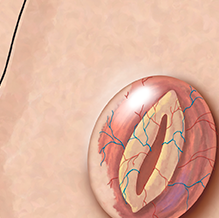
Technieken en uitvoerformaten
De techniek hangt af van het educatieve doel. Sommige onderwerpen op het gebied van de neonatologie komen het best tot hun recht via strakke lijntekeningen of vereenvoudigde diagrammen. Voor andere onderwerpen zijn anatomische illustraties in kleur, gelaagde weergaven, dwarsdoorsneden, schematische afbeeldingen of geselecteerde 3D-visualisaties nodig wanneer ruimtelijke verhoudingen duidelijker moeten worden uitgelegd.
Voor leerboeken en publicaties kunnen illustraties worden aangeleverd als rasterafbeeldingen of vectorafbeeldingen met een hoge resolutie. Voor e-learning en opleidingen kunnen afbeeldingen worden aangepast voor dia’s, online modules, ziekenhuismateriaal, presentaties of interactieve inhoud. Indien nodig kunnen bestanden met lagen worden gebruikt om toekomstige herzieningen of gerelateerde educatieve aanpassingen mogelijk te maken.
Bij de keuze van de techniek wordt rekening gehouden met de nauwkeurigheid, de doelgroep, het uiteindelijke gebruik en de vereiste mate van detail met betrekking tot pasgeborenen.
Inzicht in de prijsstelling van medische illustraties voor pasgeborenen
Medische illustraties op het gebied van de neonatologie worden op maat gemaakt. De prijs is afhankelijk van de complexiteit van het onderwerp, het aantal illustraties, de mate van anatomische gedetailleerdheid, het beoogde gebruik en de reikwijdte van de licentie.
Een enkel educatief diagram verschilt van een complete reeks leerboeken, een meerstaps procedure, een e-learningmodule of een storyboard voor een animatie. Visuele hulpmiddelen voor oudereducatie vereisen mogelijk een andere toon en een ander detailniveau dan illustraties voor gespecialiseerde opleidingen. Ook de licentievoorwaarden spelen een rol: visuele hulpmiddelen die in één educatieve folder worden gebruikt, hebben een ander toepassingsgebied dan visuele hulpmiddelen die worden ingezet in leerboeken, op online platforms, in ziekenhuismateriaal, tijdens lezingen en in opleidingsmateriaal voor de lange termijn.
Na een kort kennismakingsgesprek stel ik een duidelijke offerte op met daarin de omvang van het project, de te leveren resultaten, de tijdsplanning, de gebruiksrechten en de werkwijze voor eventuele aanpassingen. Zo weet u precies wat u kunt verwachten voordat we met de productie beginnen.
Waarom zou je met Karin Spijker samenwerken?
Medische illustraties voor onderwijs op het gebied van de neonatologie vereisen meer dan alleen algemene tekenvaardigheid. Er is anatomische kennis, visuele discipline, gevoeligheid en het vermogen voor nodig om complexe informatie over ontwikkeling en klinische aspecten om te zetten in duidelijke educatieve afbeeldingen.
In mijn werk combineer ik mijn opleiding in medische en wetenschappelijke illustratie met gedetailleerde anatomische tekeningen en een rustige, gestructureerde beeldtaal. Ik richt me op afbeeldingen die nauwkeurig en duidelijk zijn en op professionele wijze zijn voorbereid voor het beoogde doel.
Bij de ontwikkeling van projecten staat de nadruk op duidelijkheid, samenwerking en gebruiksvriendelijkheid. Of de uiteindelijke illustratie nu bestemd is voor klinische opleidingen, studieboeken, e-learning, voorlichting aan ouders, wetenschappelijke publicaties of professionele presentaties: het doel is altijd om beeldmateriaal te creëren dat het begrip bevordert en met vertrouwen kan worden gebruikt.
De langetermijnwaarde van op maat gemaakte educatieve illustraties voor pasgeborenen
Een krachtige educatieve illustratie over neonatologie kan voor meer dan één les of publicatie worden gebruikt. Dezelfde visuele aanpak kan worden ingezet ter ondersteuning van leerboeken, colleges, opleidingen op de NICU, voorlichtingsmateriaal voor ouders, websites, opleidingsmiddelen en toekomstige leersystemen.
Consistentie is vooral van groot belang wanneer er meerdere illustraties worden gemaakt voor dezelfde instelling, cursus, klinisch traject, publicatie of opleiding. Een samenhangende beeldtaal verbetert de leesbaarheid, ondersteunt het leerproces en geeft het project een professionelere uitstraling.
Op maat gemaakte medische illustraties voor de neonatologie dragen bij aan duidelijkheid, nauwkeurigheid, tact, geloofwaardigheid en educatieve waarde op de lange termijn.
Veelgestelde vragen
Hier vindt u antwoorden op veelgestelde vragen over het illustratieproces, tijdschema’s, prijzen, licenties, bestandslevering en samenwerking.
Start je opleidingsproject op het gebied van medische illustraties voor pasgeborenen
Als u op zoek bent naar medische illustraties over neonatologie voor onderwijs, klinische opleidingen, studieboeken, e-learning, communicatie met ouders, ziekenhuismateriaal of professionele opleidingen in de gezondheidszorg, moet de nadruk altijd liggen op duidelijkheid, nauwkeurigheid, tact en gebruiksvriendelijkheid.
Of uw project nu betrekking heeft op neonatale anatomie, premature baby’s, luchtwegbeheer, bloedsomloop, aangeboren afwijkingen, NICU-procedures, voorlichting aan ouders of bredere leerstof op het gebied van neonatologie: ik kan u helpen om complexe neonatale informatie om te zetten in visuele weergaven die duidelijk, betrouwbaar en professioneel zijn opgesteld.
→ Bekijk gerelateerde projecten in het portfolio
→ Neem contact op om uw project te bespreken
Complexe informatie over neonatale zorg vertalen naar duidelijke visuele communicatie
Werk rechtstreeks samen met een wetenschappelijk en medisch illustrator om nauwkeurige afbeeldingen over neonatologie te maken voor studieboeken, e-learning, klinische opleidingen, voorlichting aan ouders of beroepsopleidingen in de gezondheidszorg.
Ben je klaar om mee te werken aan een educatief project rond medische illustraties voor de neonatologie?
Duidelijk, nauwkeurig en afgestemd op uw medische inhoud